Veronique was born in Belgium and is currently living in the Netherlands. Her love for travel led her to an exciting career in the travel industry. Besides writing she also maintains the Socials for The Crazy Tourist.
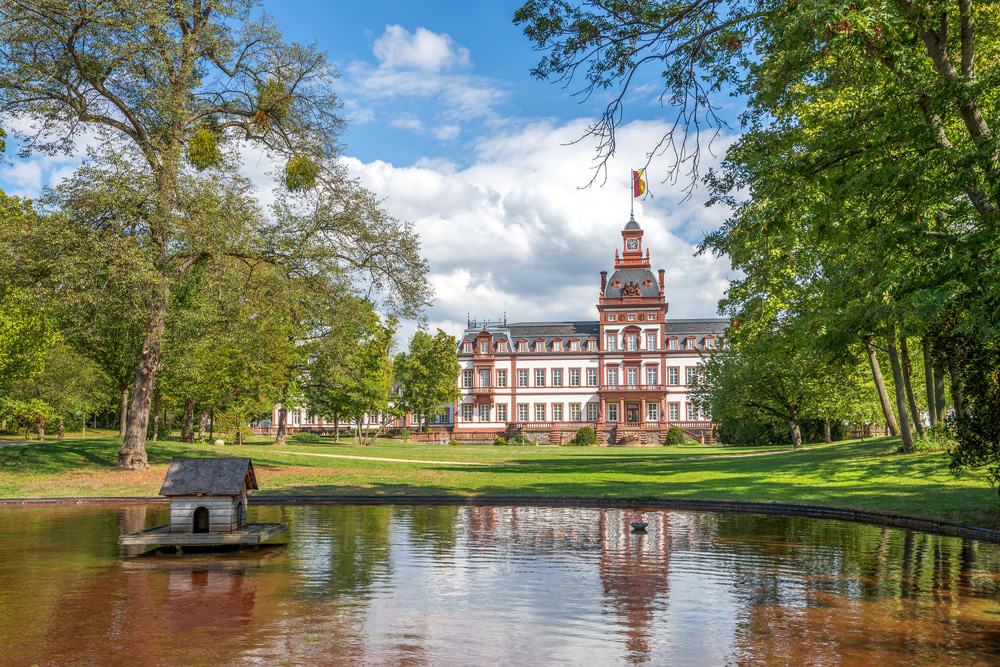
The city of Hanau in Hesse has the moniker, “Brüder-Grimm-Stadt” (Brothers Grimm City). Literature’s favourite sibling collaboration was born in Hanau in 1785 and 1786, and there’s a national memorial to the brothers at the Neustädter Markt (new town market). This monument is at the centre of a grid of streets from the beginning of …
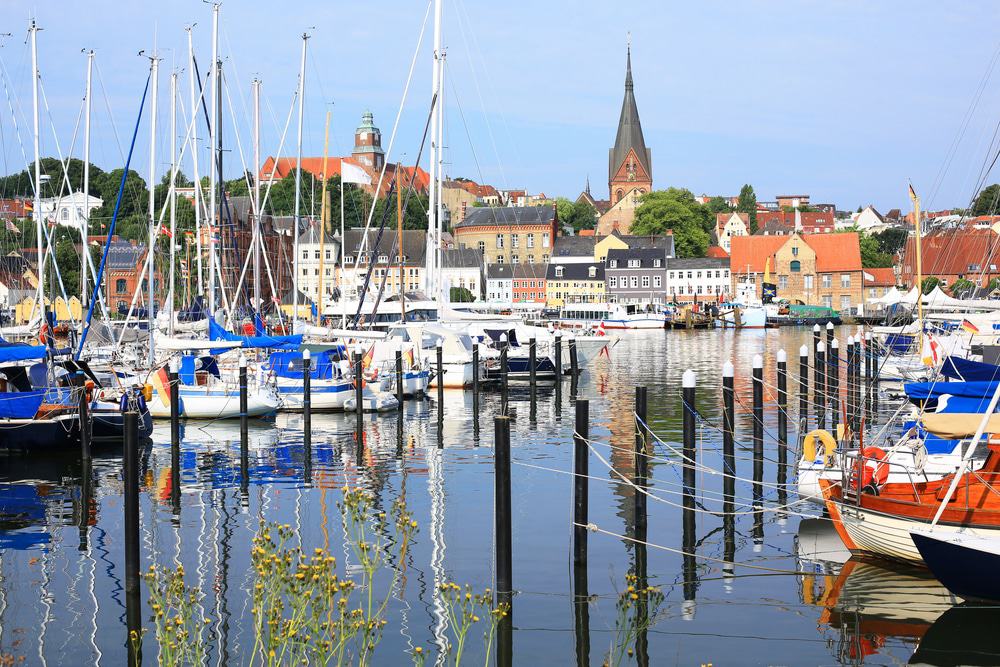
At the innermost pocket of Schleswig-Holstein’s Flensburg Fjord in, is a Baltic Sea port soaked in maritime culture and with 800 years of stories to tell. The quay on the west side of the fjord is a nautical journey of discovery with quaint taverns and a historic shipyard on one side and historic sailboats creaking …
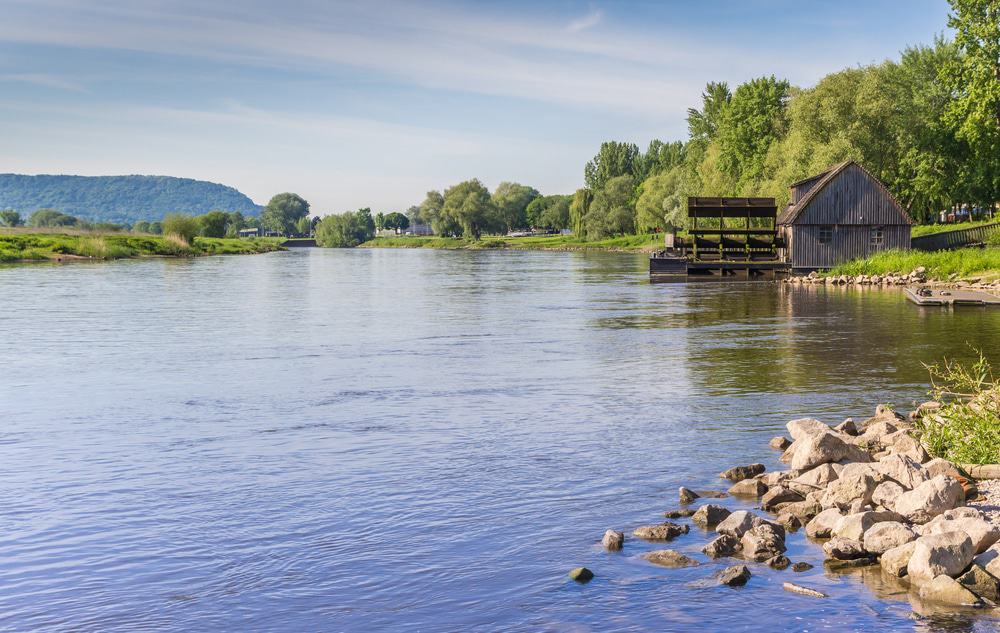
Inland navigation has always been crucial to the city of Minden, in the very northeast of North Rhine Westphalia. In Medieval times Minden needed the Weser River for fishing and trade, and became a member of the international Hanseatic League of merchant cities. In the 1910s century the second largest aqueduct in Europe was built …
The seat of a historic county in the old Electorate of Mainz, the town of Miltenberg is pressed against a bend in the River Main by the final eastern peaks of the Odenwald range. The old town is 2.5 kilometres long but only a maximum 150 metres wide. And those slopes bank up to the …
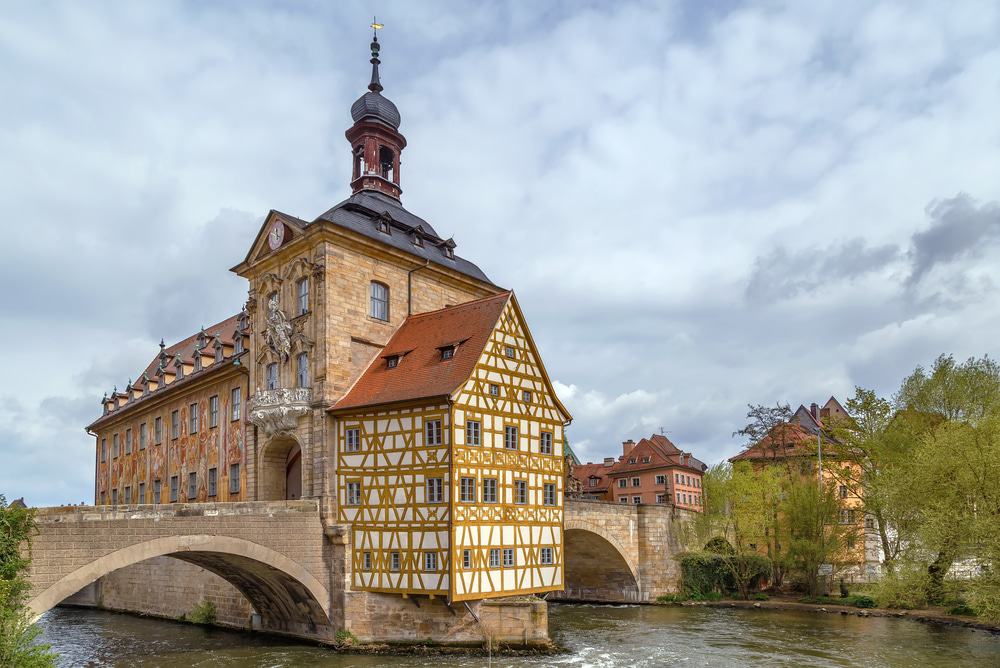
The World Heritage City of Bamberg is in Upper Franconia resting on seven hills. And if that sounds Roman, this seat of episcopal power is still called the “Rome of Franconia”, You’ll certainly get that impression on Domplatz, where the cathedral and its four towers are awe-inspiring and flanked by the solemn Medieval and Baroque …
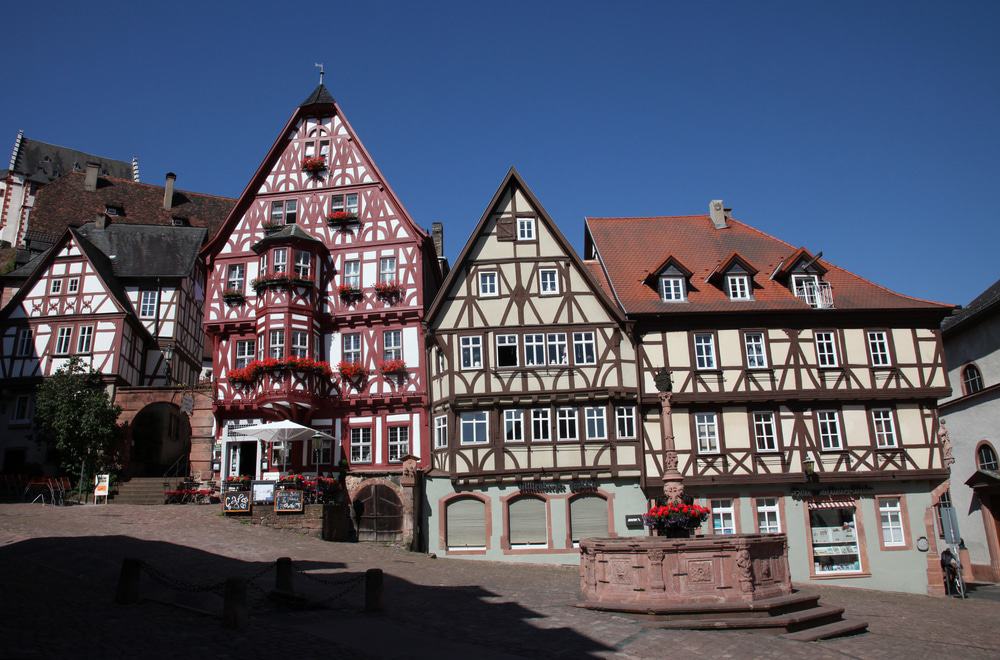
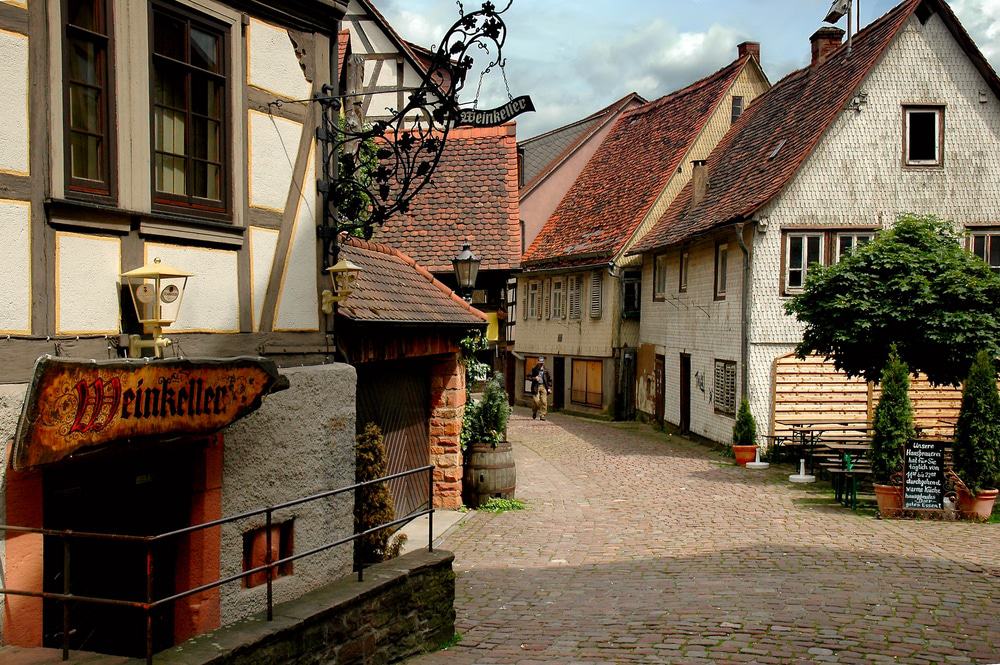
A lovable town of timber-framed houses, Michelstadt is a tourist favourite in the Hessian Odenwald. Michelstadt’s coil of little streets and squares could be in a fantasy movie, while the Gothic town hall is known all over Germany for its timber stilts. People have lived in Michelstadt since the time of Charlemagne in the 9th …
A UNESCO World Heritage city, Quedlinburg rests below a sandstone cliff that has an abbey and palace on top. The king of East Francia, Henry the Fowler founded Quedlinburg in the 10th century, and his successor, Holy Roman Emperor Otto I would hold court here and develop the city. Quedlinburg has been left with enigmatic …
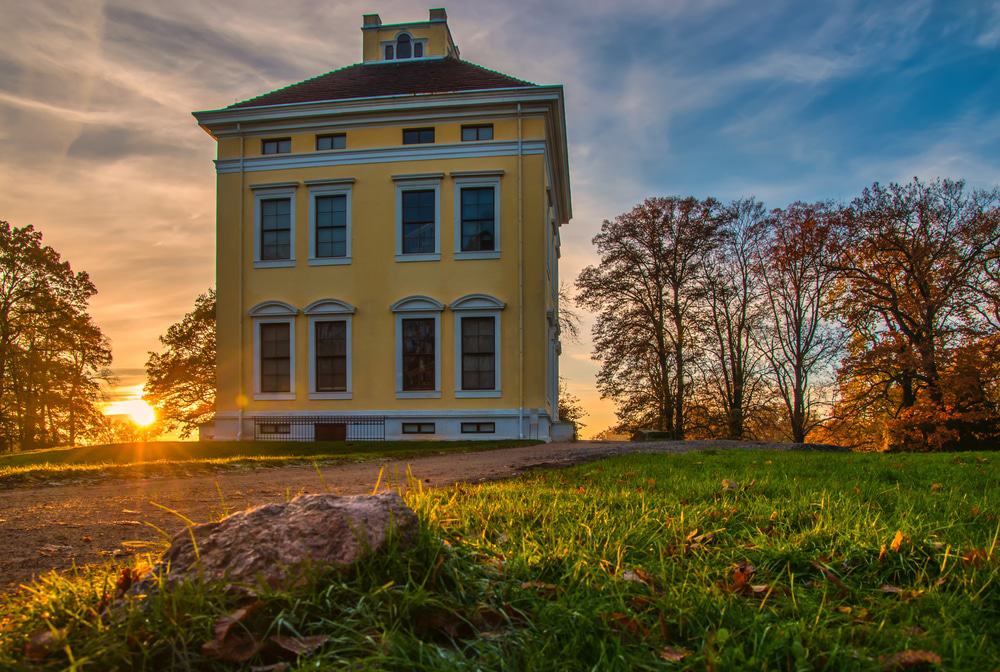
Where the Mulde River empties into the Elbe, Dessau is a city that you’ll often hear described as the “Bauhausstadt”. And with good reason, as Walter Gropius brought the Bauhaus school to Dessau in 1926. The main building for the Bauhaus school is a UNESCO World Heritage Site, and the same goes for the houses …
What may be the most romantic stop on southern Germany’s Romantic Road, Dinkelsbühl is a town of Renaissance patrician houses encircled by Medieval walls and sky-scraping gatehouses. After 1274 Dinkelsbühl was a Free Imperial City, and so was subject only to the Holy Roman Emperor. This was an economic boost and the wealthy merchants and …
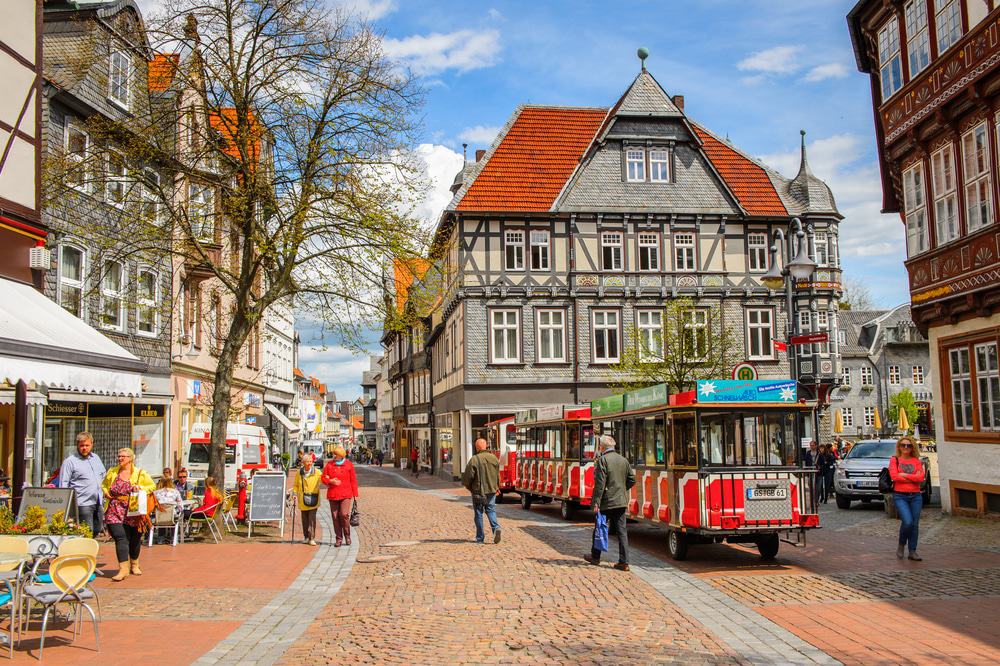
A UNESCO city of overwhelming beauty, Goslar is under the northwestern hills of the Harz range in Lower Saxony. One of these peaks, Rammelsberg proved especially lucrative for Goslar, and the city’s finances were boosted by its lead, copper and silver mines. Rammelsberg has some of Europe’s oldest mining infrastructure, and its Medieval tunnels and …