Veronique was born in Belgium and is currently living in the Netherlands. Her love for travel led her to an exciting career in the travel industry. Besides writing she also maintains the Socials for The Crazy Tourist.
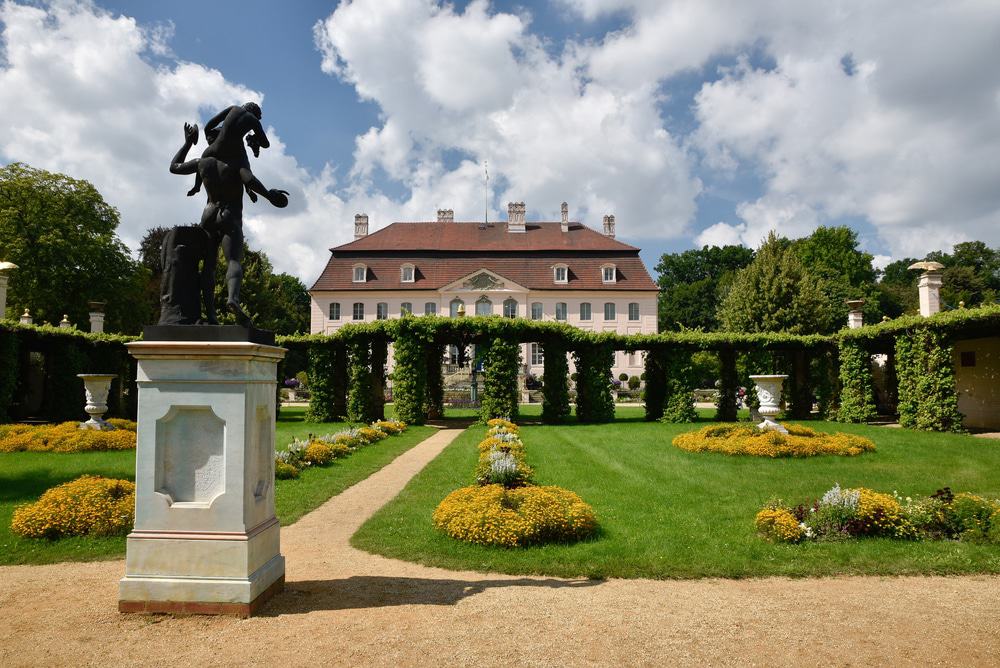
Germany’s easternmost city is in the state of Brandenburg. Cottbus is the unofficial capital of Lower Lusatia, home to a minority known as the Sorbs, who have their own Western Slavic language and culture. Someone who left a lasting impression on Cottbus was the nobleman Prince Pückler, an accomplished 19th-century landscape architect who designed his …
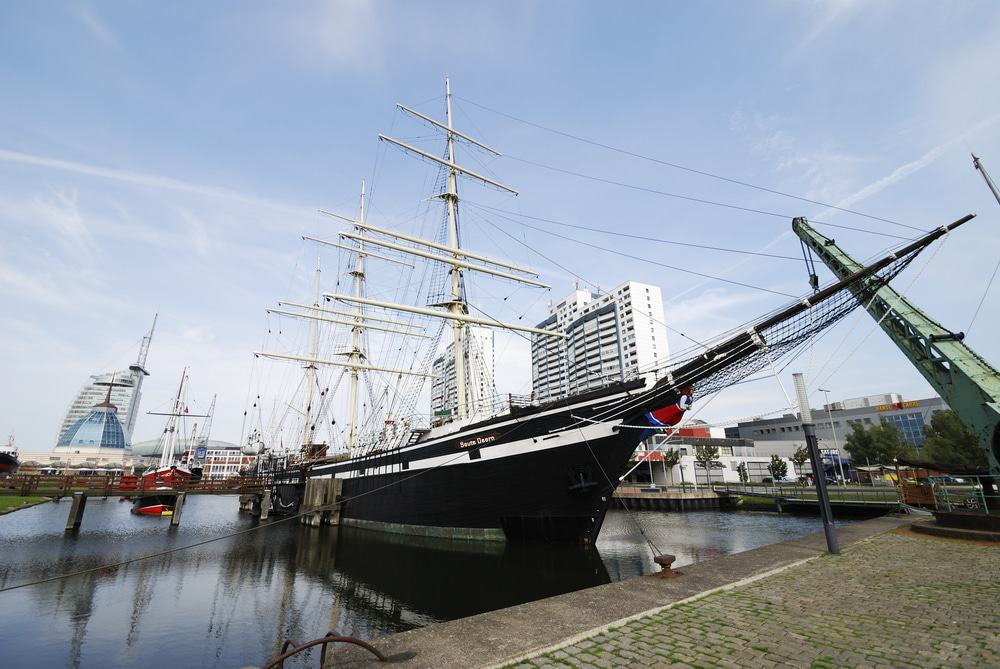
There was a time when Bremerhaven had the largest fishing port and the largest emigration port in all of Europe. So it’s apt that this harbour city on the North Sea Coast should be dubbed the “Seestadt” (Sea City). Bremerhaven is an enclave of the Free City of Bremen, which lies 60 kilometres up the …
On the high hills of the Bergisches Land, Velbert is a town that has always echoed with the clink of metal forges. And while nearby metalworking cities like Solingen specialised in blades, Velbert became the gold standard for lock-making. Even now, a lot of Velbert’s residents are employed manufacturing locks and metal fittings, and the …
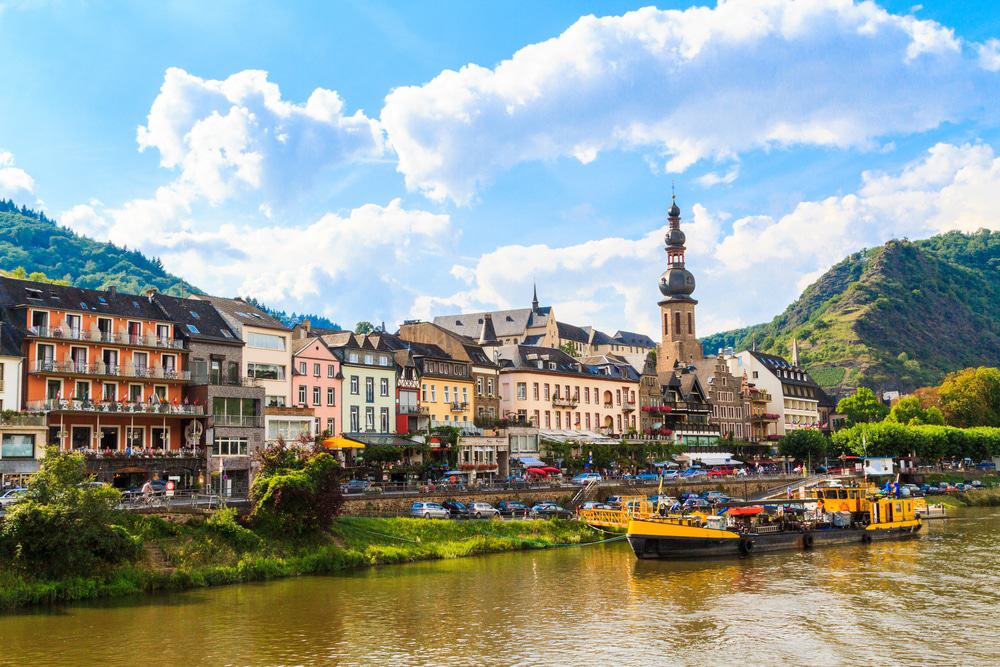
There may not be a lovelier scene in Germany than the town of Cochem, couched in the high, vine-clad slopes of the Moselle Valley. The town of half-timbered houses, scurrying streets and medieval gates is on a loop in the river, under the steady watch of the Romantic Reichsburg castle. The Moselle cuts through two …
A northern outpost of the Eifel region, Düren is an industrial city between Aachen and Cologne in North Rhine-Westphalia. From the 16th century up to the 1980s Düren was Germany’s papermaking capital, and at the height of this industry in 1812 there were 17 paper mills along the banks of the Rur. To get all …
Germany’s first naval port is tucked into the western lip of the Jade Bight, a natural harbour on the North Sea. Wilhelmshaven was founded by Kaiser Wilhelm I in 1869 and still claim’s the title of the nation’s largest navy base. German military history will always hold a certain fascination, and you could pay a …
On Düsseldorf’s northeast shoulder, Ratingen is a well-off city where many international computer brands and high-tech manufacturers have their HQs. Ratingen’s innovative flair goes back at least as far as the 18th century when the city had mainland Europe’s first cotton spinning mill. Today the Textilfabrik Cromford is a riveting museum attached to a Baroque …
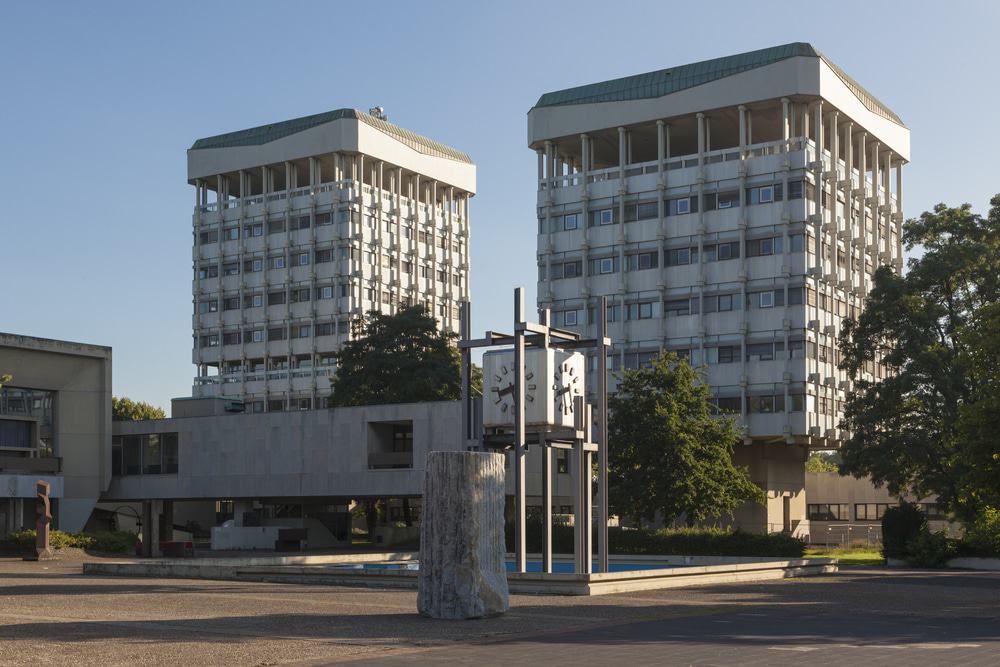
One of the last mining cities in Germany, Marl is at the very north of the Ruhrgebiet in North Rhine-Westphalia. As Marl is in a conurbation you have quick connections to big industrial cities like Gelsenkirchen and Bochum, but a brief drive north and you’ll be in the bucolic farmland and forest of the Münster …
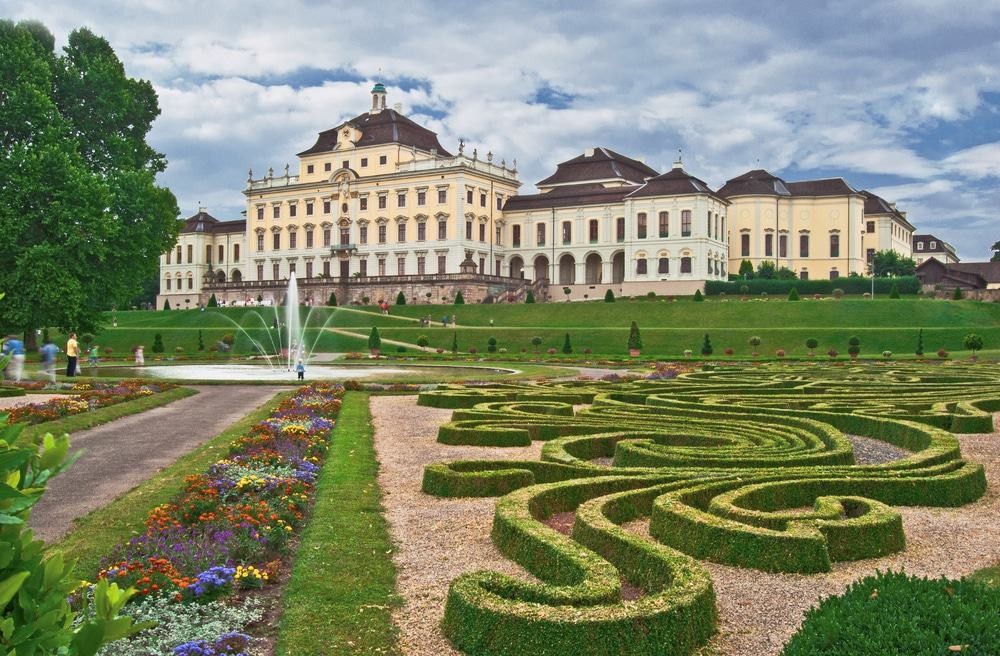
At the start of the 18th century Duke Eberhard Louis of Württemberg built an “Ideal City” up the Neckar River from Stuttgart to cement his absolute power. A Baroque urban plan was put into action, with a grid system of streets around a monumental market square. By the time Eberhard Louis passed away in 1733 …
Bulwarked by low mountains this Thuringian City is the home of one of Germany’s ten oldest universities. So it follows that many eminent literary figures, thinkers and scientists have lived or spent time here over the last 560 years. We’re talking about cultural and scientific giants like Goethe, Schiller, Nietzsche, Ernst Haeckel, Gottfried Wilhelm Leibniz …