Veronique was born in Belgium and is currently living in the Netherlands. Her love for travel led her to an exciting career in the travel industry. Besides writing she also maintains the Socials for The Crazy Tourist.
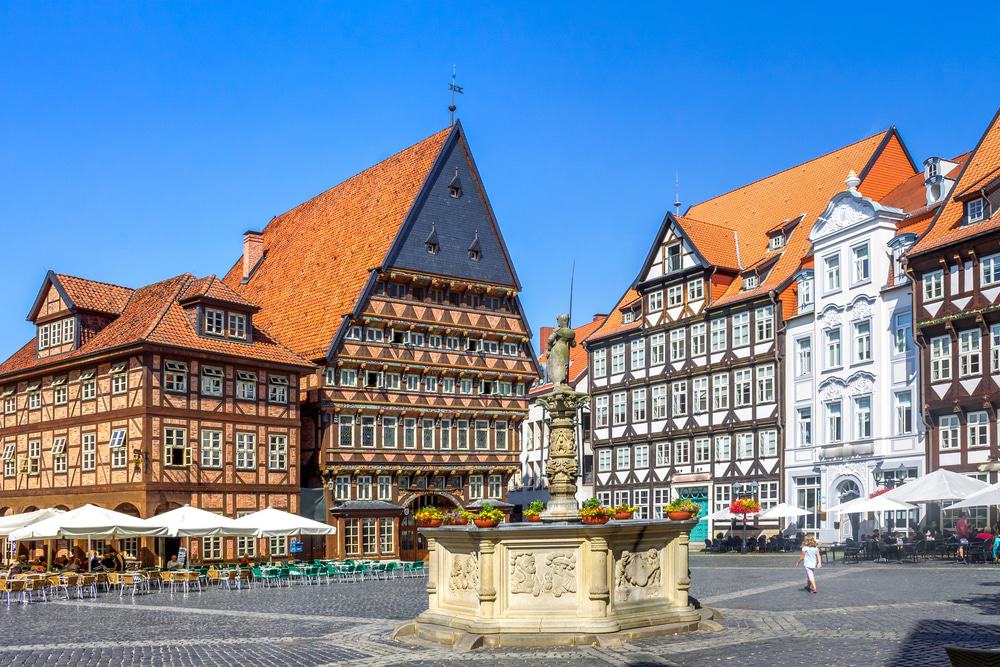
Up to 1945 the city of Hildesheim in Lower Saxony was feted for its 1,900 half-timbered houses. Many of these were wiped out towards the end of the Second World War, and modern concrete constructions took their place. But since the 1980s the ensemble of Renaissance guildhalls, municipal buildings and patrician houses on the Historic …
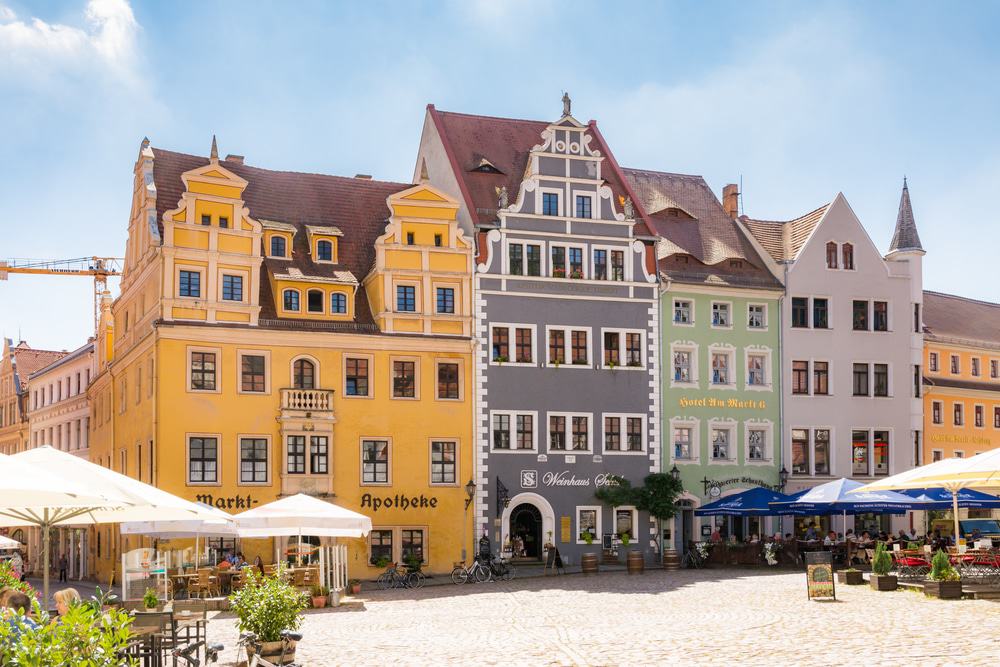
Approaching the city of Meissen in Saxony the first thing that comes into view is the Burgberg rising over the Elbe. Translating to castle hill, Burgberg is where the city’s founder Henry the Fowler put up his fortress against the Slavs to the east in the 10th century. Now the hill is claimed by a …
On the Ruhr between Bochum and Dortmund, Witten is a city with mining in its blood. The collieries came early to Witten, and were given a boost when Frederick the Great issued a decree to make the Ruhr navigable in the 1770s. The city broke from Bochum in 1899 and is an assortment of different …
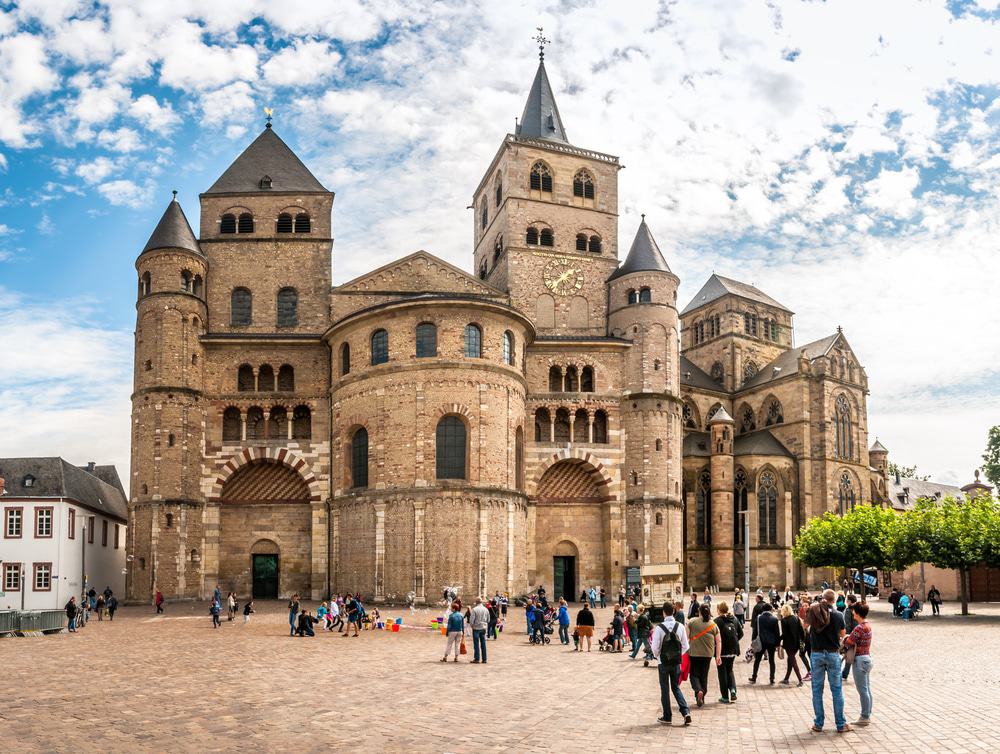
Born by the Moselle River as Augustus Treverorum back in 16 BC, Germany’s oldest city has managed to keep hold of its Roman past. Trier has a city-wide UNESCO World Heritage Site, protecting incomparable monuments like the largest Roman gate outside Italy, a palace hall built by Emperor Constantine and a sensational bathing complex. You …
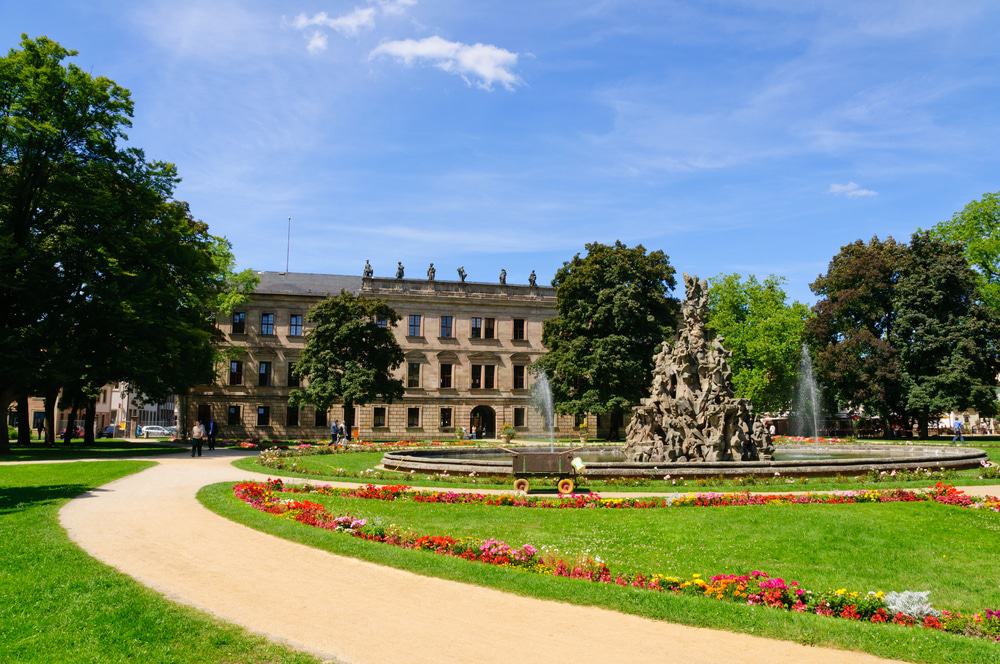
Just 15 kilometres north of Nuremberg in Middle Franconian you’ll find the city of Erlangen. This city’s story really begins in the 1680s when the Edict of Nantes was evoked, expelling the Huguenots from France. Many were welcomed to Erlangen, and so a planned Baroque city was constructed to accommodate an exploding population. So Erlangen …
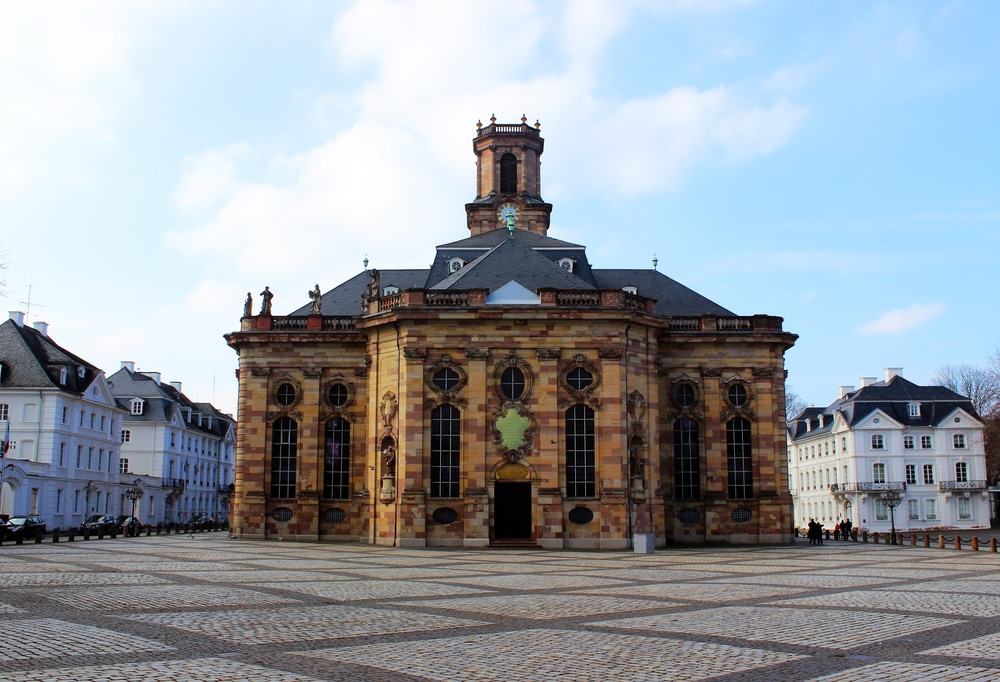
A hair’s breadth from the French border in Southwestern Germany, Saarbrücken mixes industrial history with the splendour of the Counts and Princes of Nassau-Saarbrücken who ruled the region for centuries. Two people more than any left their mark on Saarbrücken, 18th-century Prince of Nassau-Saarbrücken, William Henry, and his architect Friedrich Joachim Stengel. For three decades …
In North Rhine Westphalia, Mönchengladbach is a city made up of a group of boroughs around the historic towns of Gladbach and Rheydt. The thing that unites these settlements is the abundance of parkland; Mönchengladbach is bursting with green spaces, like the Bunter Garten, which cuts Gladbach in two. Some of these parks are medieval …
The Saxon city of Zwickau sometimes goes by the moniker “Automobil- und Robert-Schumann-Stadt” (City of Cars and Robert Schumann). And while not exactly concise, the name sums up two of Zwickau’s fortes: The 19th-centuy composer Robert Schumann was born in Zwickau and his birthplace has an absorbing museum about his life and relationship with the …
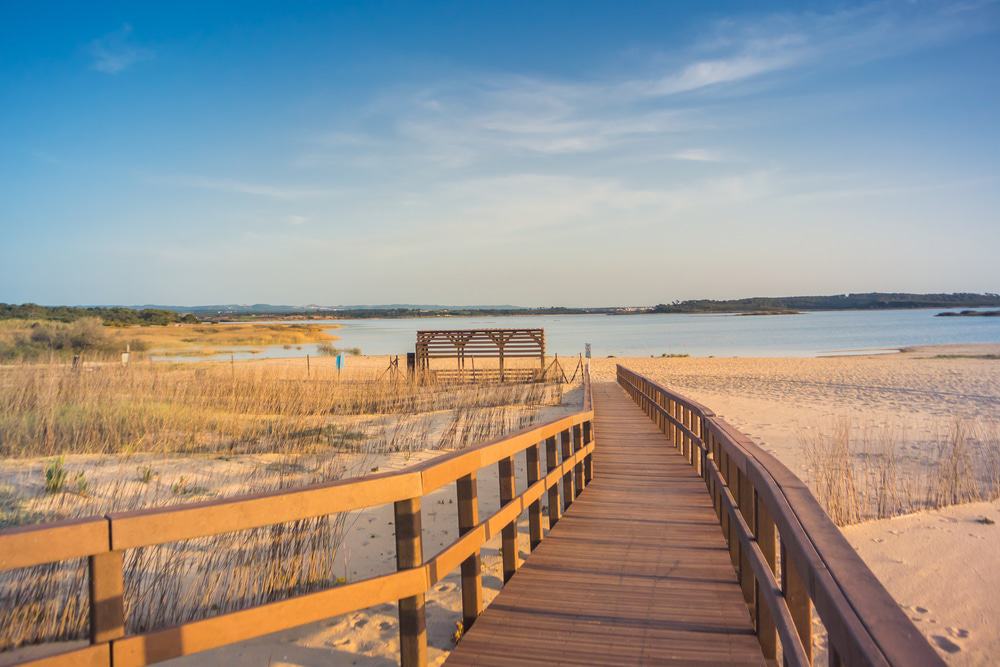
Not far from the coast, this Alentejo town is marshalled by the walls of its medieval castle. The castle was first built by the Moors and is one of a few historical sites to mark on your map. The other big-hitter is the Roman settlement of Miróbriga, which has the remains of Portugal’s only Roman …
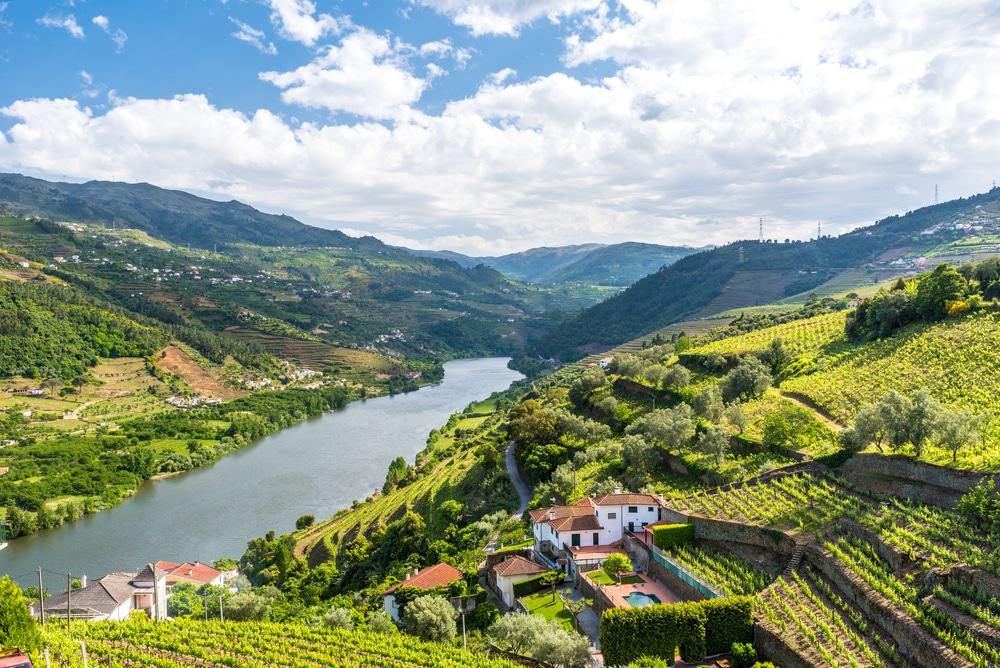
If you have a taste for port wine Peso da Régua in the UNESCO -listed Douro Valley is a somewhere you’ll love. The town is on the river in that strange but beautiful amphitheatre of high shale slopes with wine terraces cut from the rock. Until the last century Peso da Régua was where barrels …