Veronique was born in Belgium and is currently living in the Netherlands. Her love for travel led her to an exciting career in the travel industry. Besides writing she also maintains the Socials for The Crazy Tourist.
This small provincial capital is the second-city of wine production in Argentina, but don’t expect it to be like Mendoza. San Juan is a low-key town that makes a great jumping-off point for scenic national and provincial parks like El Leoncito and Ischigualasto. Of course it also draws visitors to its many wine bodegas just …
In the hilly and forested Bergiches Land, Solingen is a town just upriver on the Wupper from Wuppertal. Since the Middle Ages Solingen has had the nickname, Klingenstadt (City of Blades), and scissors, cutlery, swords and daggers were forged here for centuries. That culture hasn’t been lost, and is represented by an industrial-era forge, water-powered …
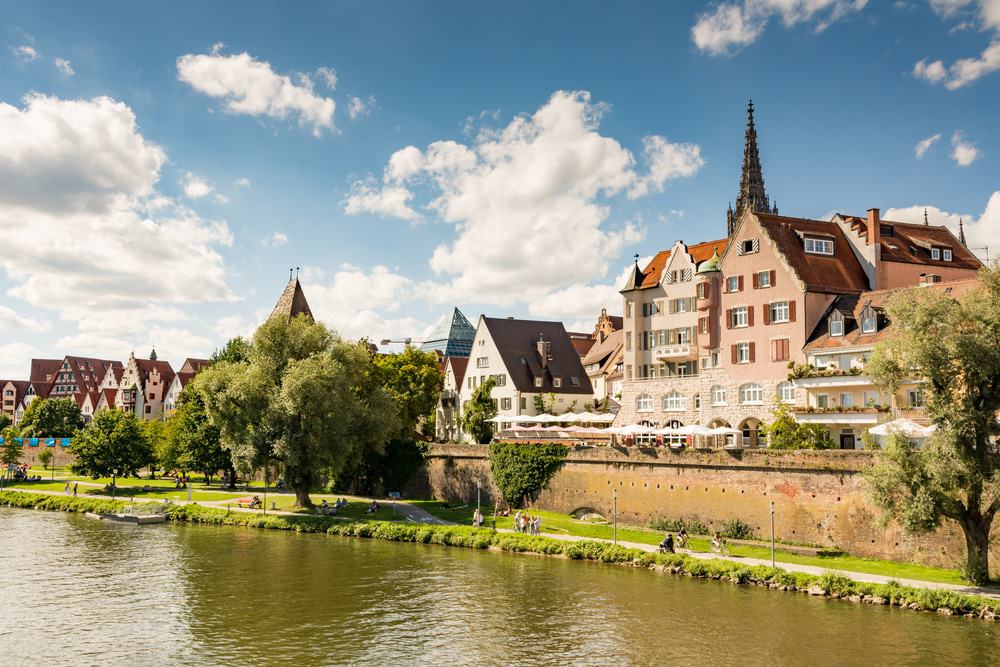
On the Danube in Baden-Württemberg, Ulm will forever be synonymous with its epic minster. The city, also the birthplace of Albert Einstein, is a heady juxtaposition of Medieval and modern: Dating back hundreds of years are the city’s walls by the Danube and the quarter where fishermen and tanners used to live. The half-timbered houses …
The easternmost stop on the Ruhr’s Industrial Heritage Trail, Hamm is a quiet, former coalmining town that has now switched to manufacturing and logistics. Where most cities in the Ruhr area were only founded in the 19th century Hamm goes right back to the 13th century and was even a member of the powerful Hanseatic …
Straddling the Ruhr River, Mülheim is an a historic city encircled by smaller settlements all born during industrialisation in the 19th century. Mülheim was one of the first cities in the Ruhr to transition from heavy industry to a service economy: The last mine, Rosenblumendelle shut down in 1966 and now you wouldn’t guess that …
A Hanseatic trading city, Rostock was granted city rights in the 13th century and since then has been a nexus point for trade, learning and shipbuilding on the Baltic. The city was hit by bombs in 1942, but a lot of its heritage was spared, like the Medieval riches of the Brick Gothic Marienkirche, Renaissance …
In the state of Saxony, Chemnitz is a manufacturing city that came to the fore during industrialisation in the 19th century. That boom era is recorded by an excellent industrial museum, and the wealth generated for industrialists and new middle class is still evident in Kaßberg, the largest contiguous Art Nouveau district in Germany. In …
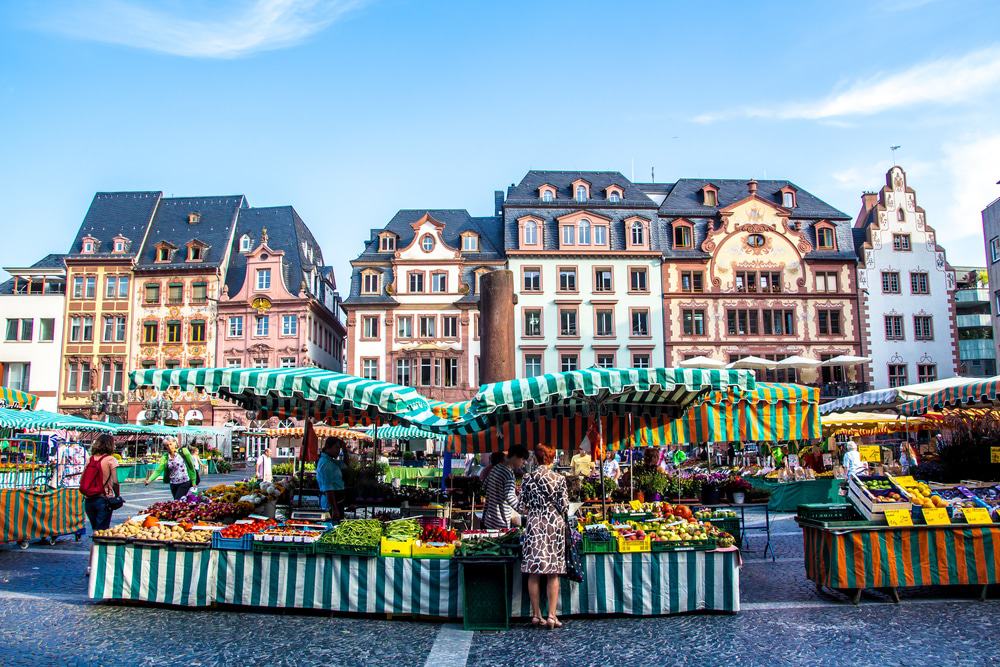
Germany’s wine capital, Mainz was founded by the Romans on the left bank of the Rhine and has more than 2,000 years of history. Looming over the Altstadt’s romantic warren of cobblestone streets is the huge Romanesque cathedral, burial place for centuries of ruling Prince Archbishops. The city’s museums have Roman artefacts discovered beneath the …
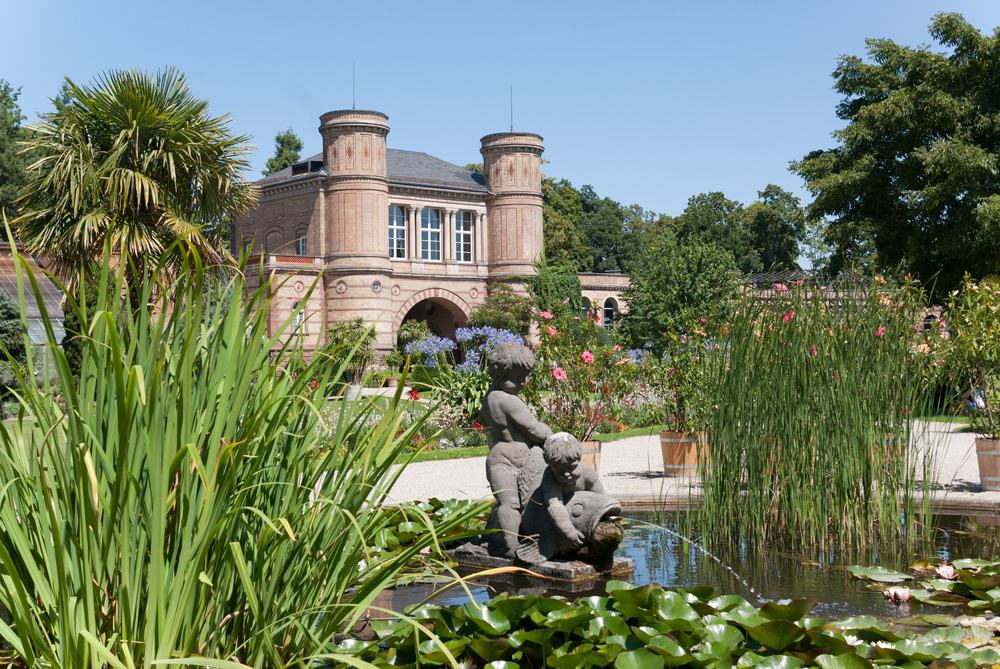
The German nickname for Karlsruhe in Baden-Württemberg is “Fächerstadt”, which means “Fan City”. When you see a map the city you’ll know why. Karlsruhe follows a clean geometric plan devised in the 18th century by the Margrave Charles III William. His palace would be at the northernmost point and to the south, east and west …
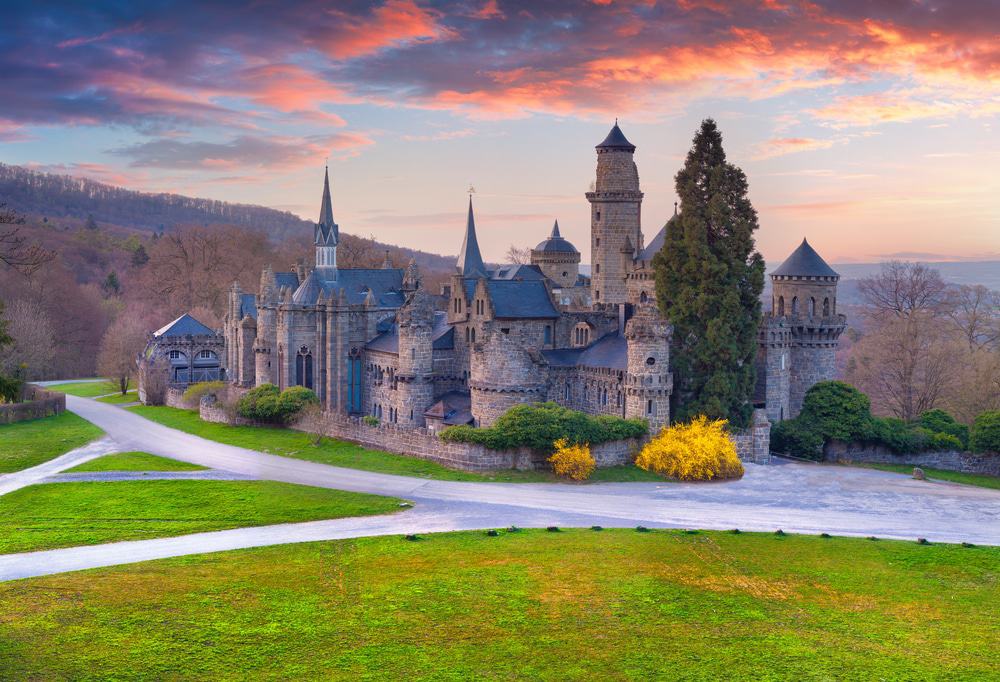
Home of the Brothers Grimm, Kassel shines with the wealth of the Hessian Landgraves and Electors who gave the city two of Europe’s greatest gardens. In the west is the Bergpark Wilhelmshöhe, a UNESCO World Heritage Site. Sprinkled on a hillside are Romantic ruins, a Neoclassical palace with a gallery of Old Masters, magical water …