Veronique was born in Belgium and is currently living in the Netherlands. Her love for travel led her to an exciting career in the travel industry. Besides writing she also maintains the Socials for The Crazy Tourist.
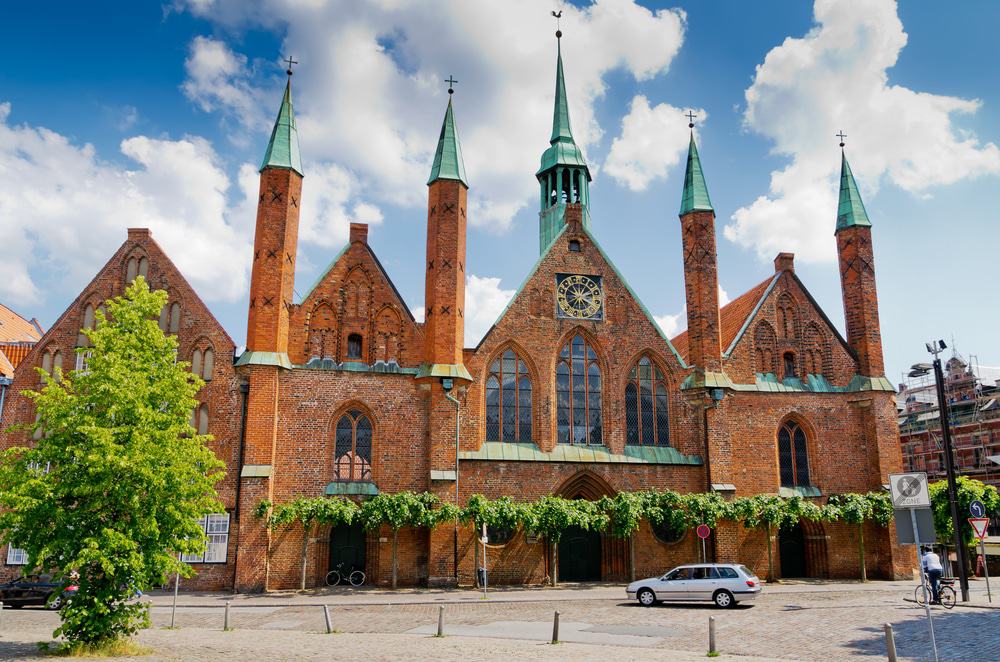
A UNESCO World Heritage Site, Lübeck is a must-visit city in Schleswig-Holstein. As the capital of the Hanseatic League the city was a central node in a network of ports around the Baltic Sea. For hundreds of years Lübeck has been the “City of the Seven Spires”, and even after a devastating bombing raid in …
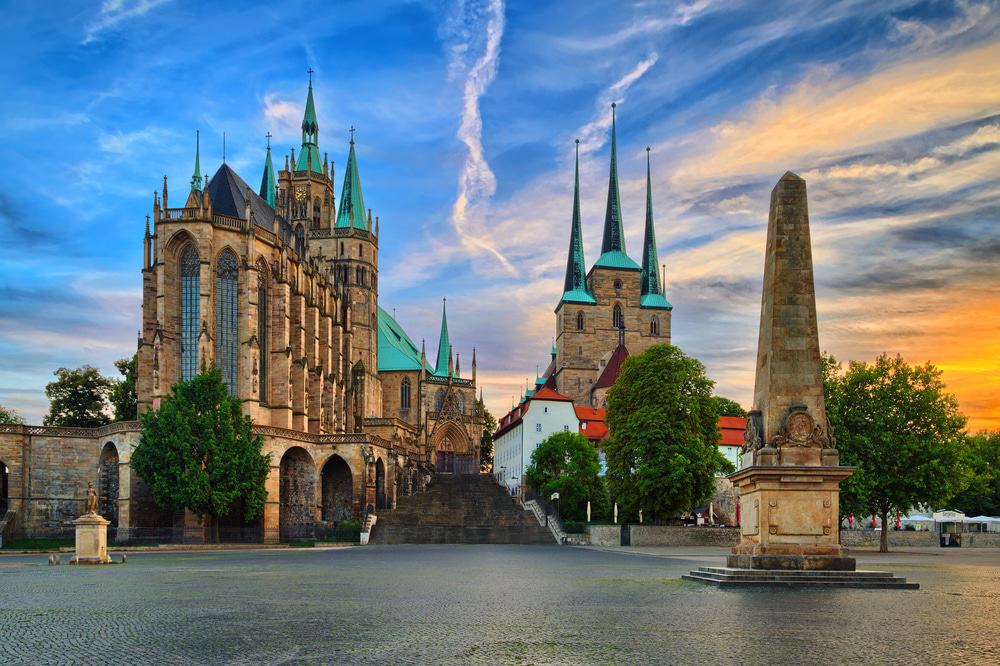
A city with more than 1,200 years of history, Erfurt is the capital of the Free State of Thuringia and has one of Germany’s most complete Medieval centres. Here, St Mary’s Cathedral shines for its Romanesque and Gothic art, and the Krämerbrücke is a bridge traced by quaint timber-framed merchants’ houses. It was in Erfurt …
One of the oldest cities in Germany’s eastern federal states, Magdeburg is 1,200 years old and was once a member of the Hanseatic League of merchant cities. In the 10th century Magdeburg was the residence of Holy Roman Emperor Otto I, and his tomb is in the astonishing cathedral. That monument was the first example …
In the middle of the Ruhr area between Dortmund and Gelsenkirchen, Herne is a run-of-the-mill city at first glance. But there’s a lot more happening than first meets the eye. A lot depends on when you visit, because if you come at the start of August you’ll be swept up in the merrymaking and thrills …
The largest city in Saxony-Anhalt, Halle is a former ducal town rich in history. The Baroque composer George Frideric Handel was born in Halle in 1685 and lived here to the age of 18. His birthplace has been preserved, and you can call in at the churches where he was baptised and played the organ. …
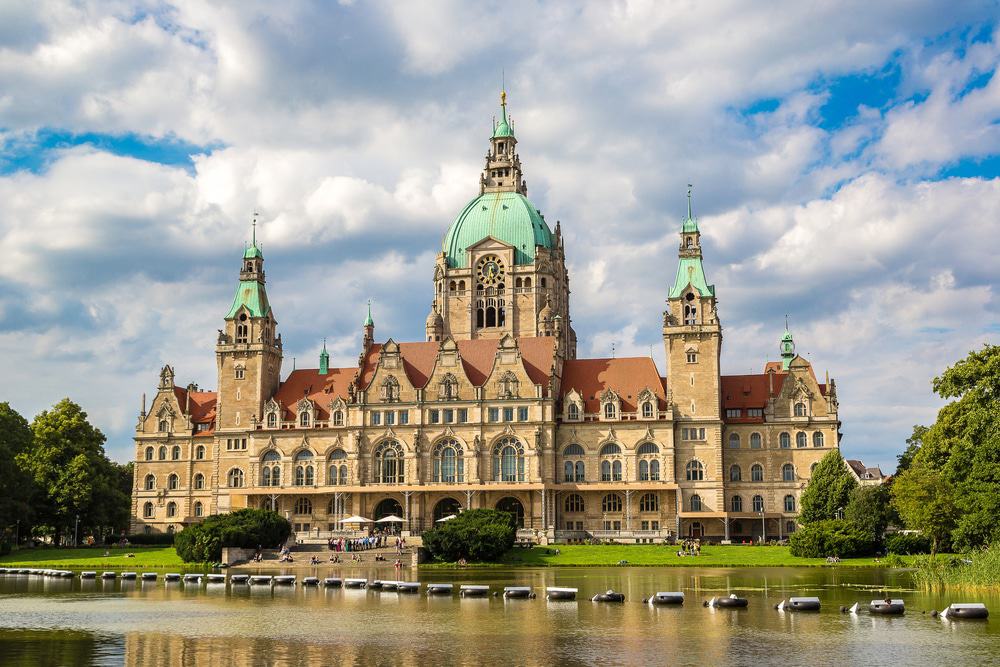
Lower Saxony’s capital is a university city and economic centre that was once the seat of an Imperial Electorate. The royal line, the House of Hanover, gave the United Kingdom three kings, and also gave this city some splendid properties like the Herrenhäuser Gardens. That mosaic of regal parks and palaces is still Hanover’s big …
The cradle of industry in the Ruhr, Oberhausen is a city that didn’t even exist before the 1860s. A joint metallurgy and coalmining venture brought thousands of families, and they settled in communities like Siedlung Eisenheim, one of Germany’s earliest company towns. Heavy industry began to peter out in the 1970s and since then Oberhausen …
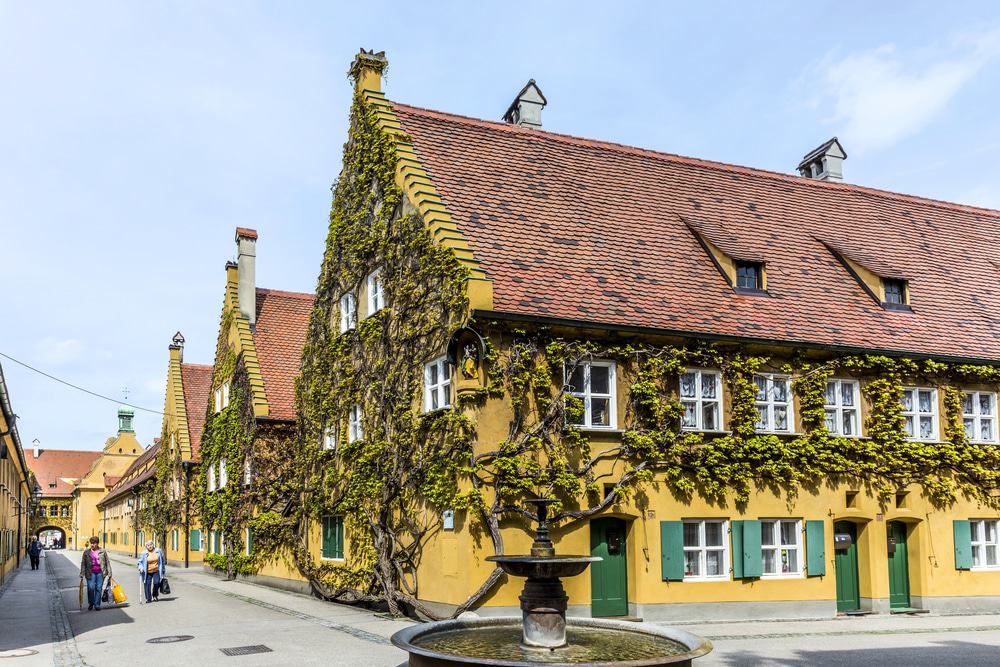
The third oldest German city after Neuss and Trier, Augsburg was founded by the Romans in 15BC. The city had always been at the nexus of European trade, but its glory days arrived in Early Modern Age when the Fugger and Welser banking families amassed inconceivable wealth. That gave Augsburg the first Renaissance buildings north …
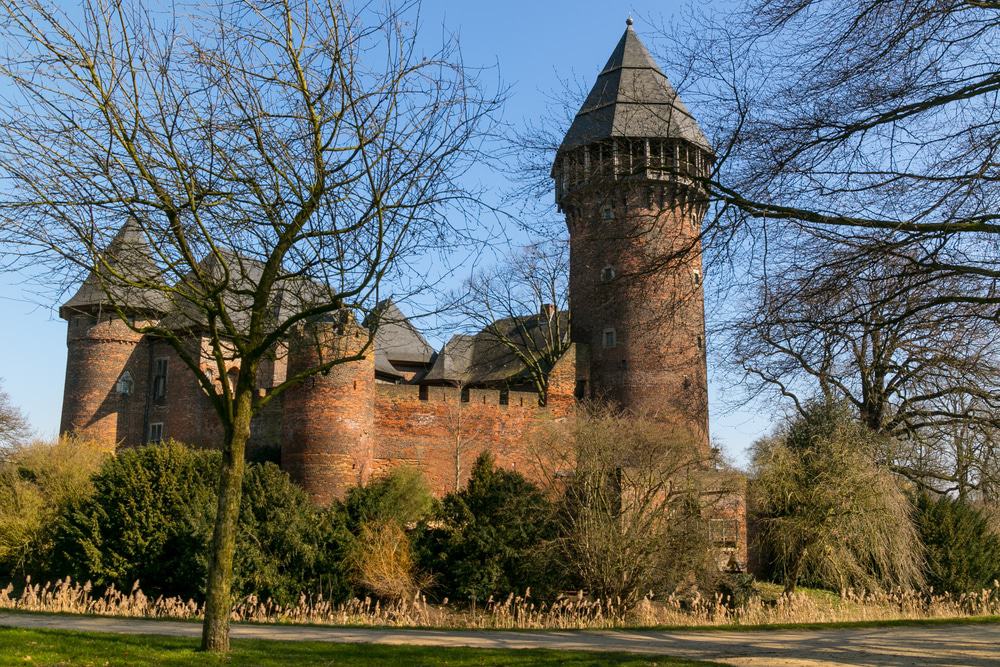
On the left bank of the Rhine, not far from Düsseldorf, Krefeld is a conurbation of towns incorporated into a city at the start of the 20th century. At that time Krefeld was a booming textiles town with a forte for silk and velvet weaving. Even now, Krefeld is called the “Samt- und Seidenstadt,” velvet …
The capital of Schleswig-Holstein, Kiel is a maritime city in the 17-kilometre Kiel Fjord. That is a huge natural harbour, just the spot for Germany’s Navy to dock its Baltic fleet. The city is also at the eastern lock of the busiest artificial waterway on the planet, the Kiel Canal, tying the North Sea to …