Veronique was born in Belgium and is currently living in the Netherlands. Her love for travel led her to an exciting career in the travel industry. Besides writing she also maintains the Socials for The Crazy Tourist.
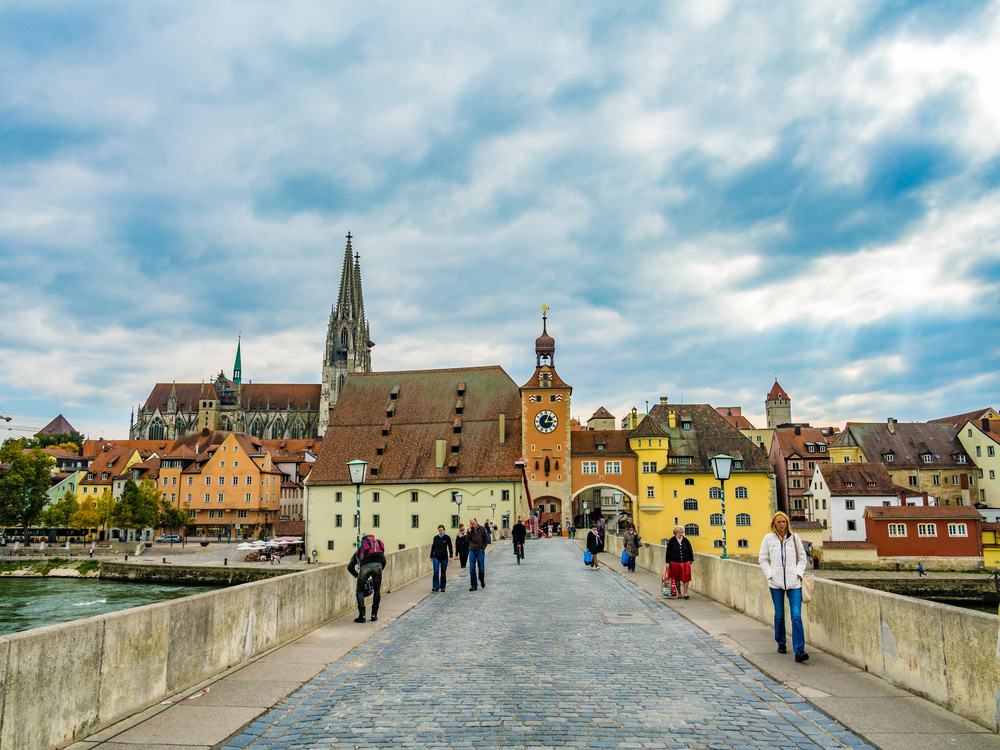
Anyone charmed by medieval history will be in dreamland in the UNESCO city of Regensburg, where 1,500 listed monuments have stood the test of centuries. In the days of the Holy Roman Empire, Regensburg hosted the Imperial Diet, and you can stand in the very place where some of Europe’s most powerful men would assemble. …
On the right bank of the Rhine between Cologne and Düsseldorf, Leverkusen has only existed as an urban centre since 1975 when a group of towns and districts in the Bergisches Land were incorporated into a city. One Leverkusen name that will be familiar to all is Bayer, the chemical and pharmaceuticals multinational, founded here …
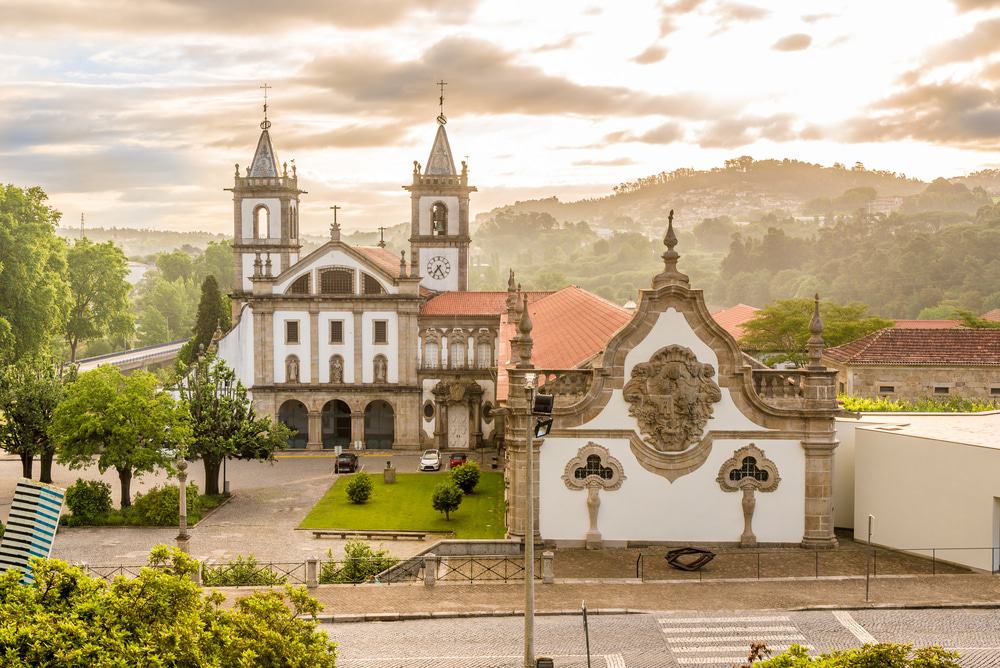
On a plateau in the Norte region, Paços de Ferreira is a small municipality that buzzes with light industry. The big employer since the 1800s has been the furniture business, and the town hosts Ikea’s Portuguese manufacturing HQ. The furniture museum in the old town hall goes into more depth about Paços de Ferreira’s flair …
In 1648 Osnabrück helped bring the curtain down on the Thirty Years’ War when the Peace of Westphalia was signed between Sweden and the Habsburgs. Even now this city in Lower Saxony is known as Friedensstadt (City of Peace), and you can go to see where the treaty was signed at the historic Town Hall. …
Before 1844, Ludwigshafen wasn’t much more than swamps, a fortress and an assortment of villages on the left bank of the Rhine. But industrialisation and the rise of chemical manufacturers like BASF gave birth to a city just across the river from Mannheim. Named in honour of Ludwig I of Bavaria, Ludwigshafen is sometimes overlooked, …
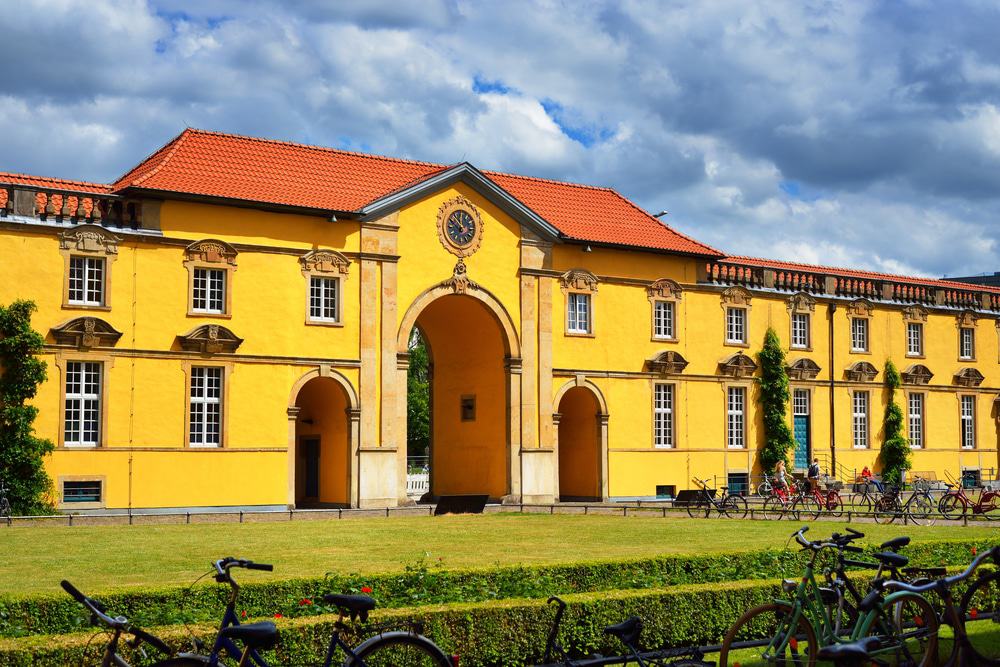
An former royal seat in Lower Saxony, Oldenburg has a legacy left by generations of counts, dukes and grand dukes. Studying Oldenburg’s aristocratic history can be tricky as the House of Oldenburg had German, Danish and Russian branches. Just to illustrate, the future Russian Tsar Alexander II lived at Oldenburg’s Prinzepalais for a time in …
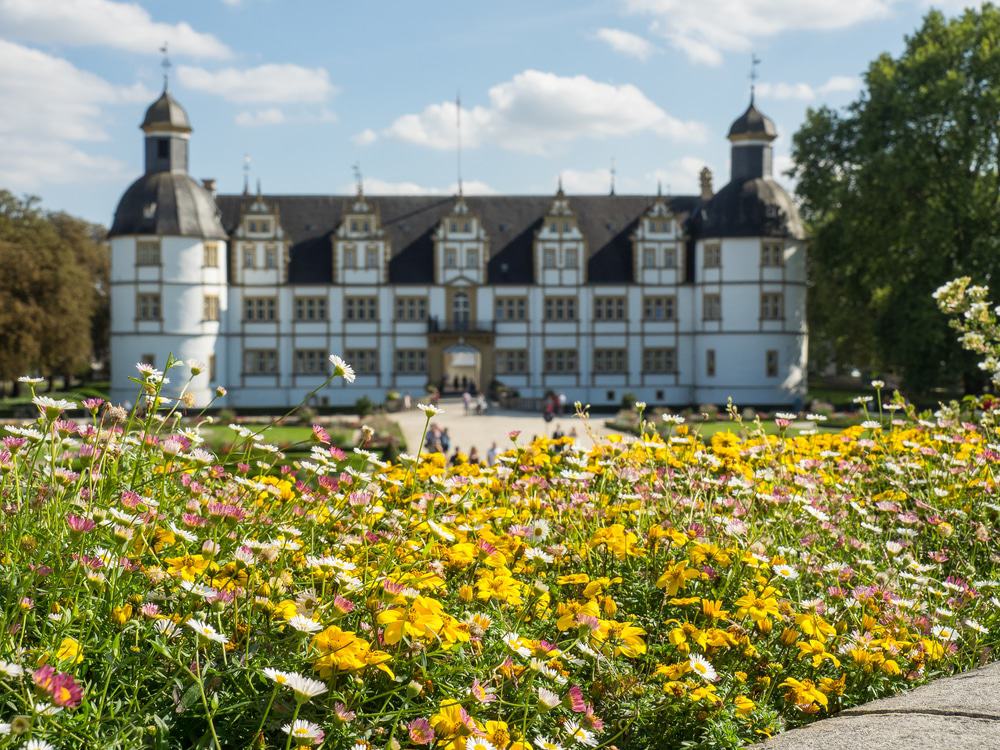
In the 8th century the First Holy Roman Emperor Charlemagne founded Paderborn around the many springs that feed the River Pader. Paderborn remains a city of Medieval wonders like a cathedral holding the relics of the 4th-century Saint Liborius. 1,200 years after his remains were brought to the city St Liborius is still celebrated by …
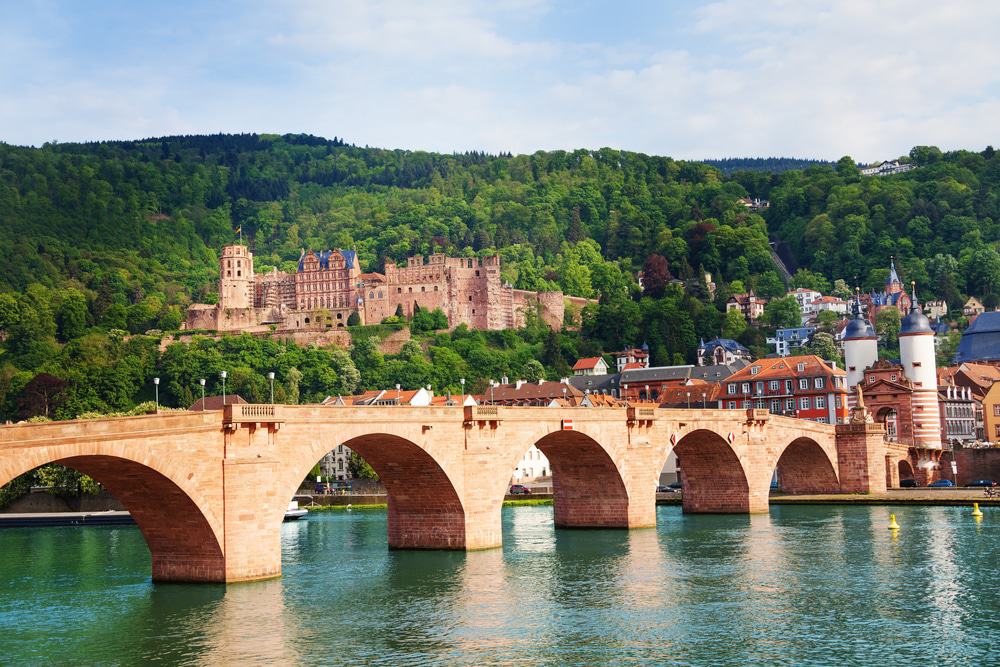
Up there with Germany’s favourite tourist destinations, Heidelberg is a historic university town that has survived unscathed since the 18th century. You have to come for the Baroque architecture and the phenomenal ruins of the Renaissance castle, which for hundreds of years was home to the Imperial Prince Electors of Heidelberg. Those ruins have inspired …
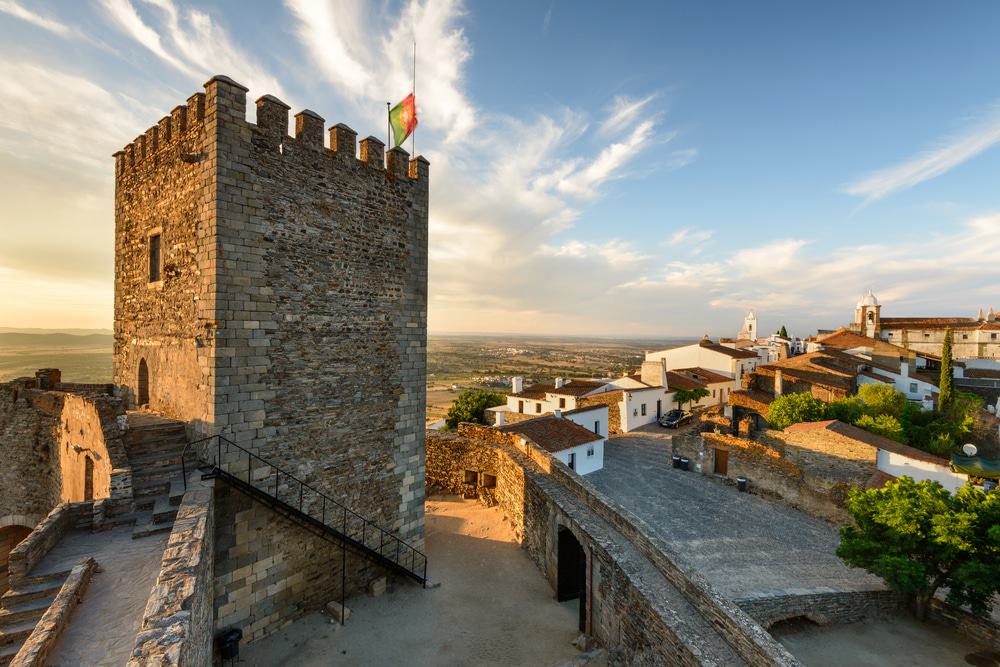
The eastern nook of Alentejo, minutes from the Spanish border, was changed forever at the start of the 2000s. At that time the Alqueva Dam impounded the Guadiana River, flooding the valley and forming an immense body of water. Never mind that this lake is man-made; the reservoir and its banks are absolutely stunning and …
The northernmost municipality in the Ruhr industrial area, Recklinghausen is a former mining city on the north bank of the Rhine-Herne Canal. In the south of Recklinghausen, closer to the canal, there’s a lot of industrial heritage, from the tallest spoil tip in the Ruhr to the headframe of the Zeche Recklinghausen II mine. But …