Hi, I'm Alex, a travel writer based in London, I love writing about travel as much as traveling itself. I’m a scrappy researcher, and a hoarder of info, whether it's trivial or mind-blowing. I get a lot of joy doing justice to worthwhile places, and I’m always excited to share the stories behind them.
I have a real affection for Tarragona in Catalonia, from the golden sandy beaches to the mountains. I love Hamburg and its harbour and many waterways, especially in spring. And I'll always be drawn to the rolling countryside in the south of England, especially Wiltshire. I'll go anywhere with a great art museum, and ruins, ancient or medieval.
The market town of Wellingborough on the River Nene has a deep history, beginning with a 6th-century Anglo-Saxon settlement founded by the warlord Wændel, who gave the town his name. For much of the Medieval period the monks of Croyland Abbey held all the power in Wellingborough, and their monastic grange can still be seen …
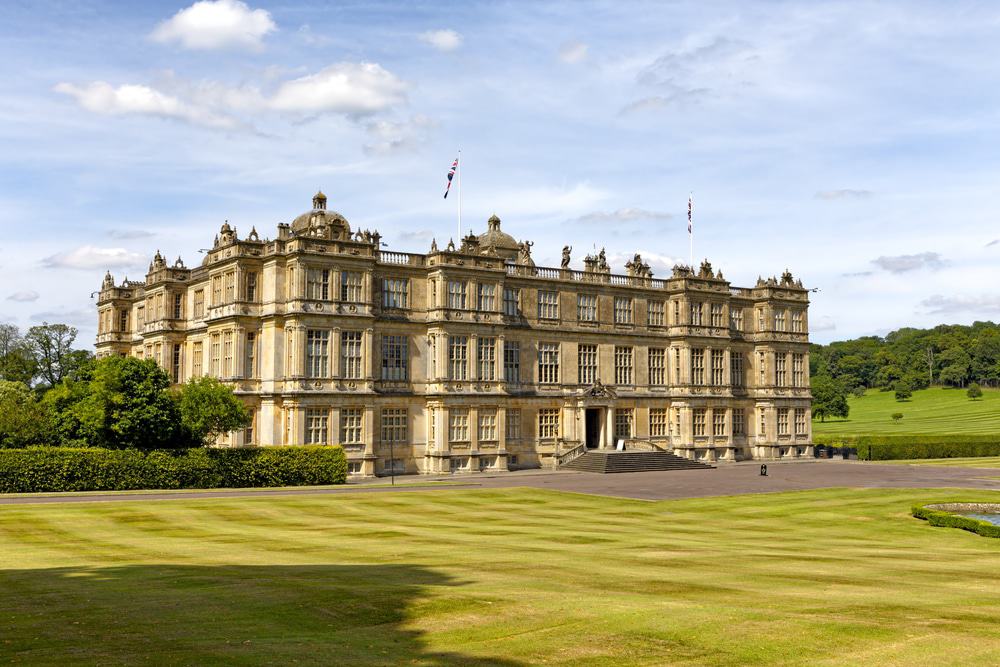
Walled by six chalk hills over the Salisbury Plain, Warminster is a market town much visited for the historic Longleat estate. Longleat mixes the family-friendly fun of one of the UK’s favourite safari parks with the splendour of an Elizabethan Prodigy House. The sheer size of the Longleat estate is extraordinary and under its mantle …
For a time at the dawn of the 19th century Trowbridge was dubbed the “Manchester of the West” for its booming textile industry. The woollen cloth trade in Trowbridge had been around since the Medieval period, but went into overdrive with industrialisation, to the point where there were 20 large scale mills here in the …
Manchester’s eastern borough of Tameside has a story that is echoed across the region. From the late-18th century a group of farming communities grew into mill towns for the textile industry, interlinked by canals. Travelling west to east, the first hills of the Pennines hove into view, and settlements are built with the dark local …
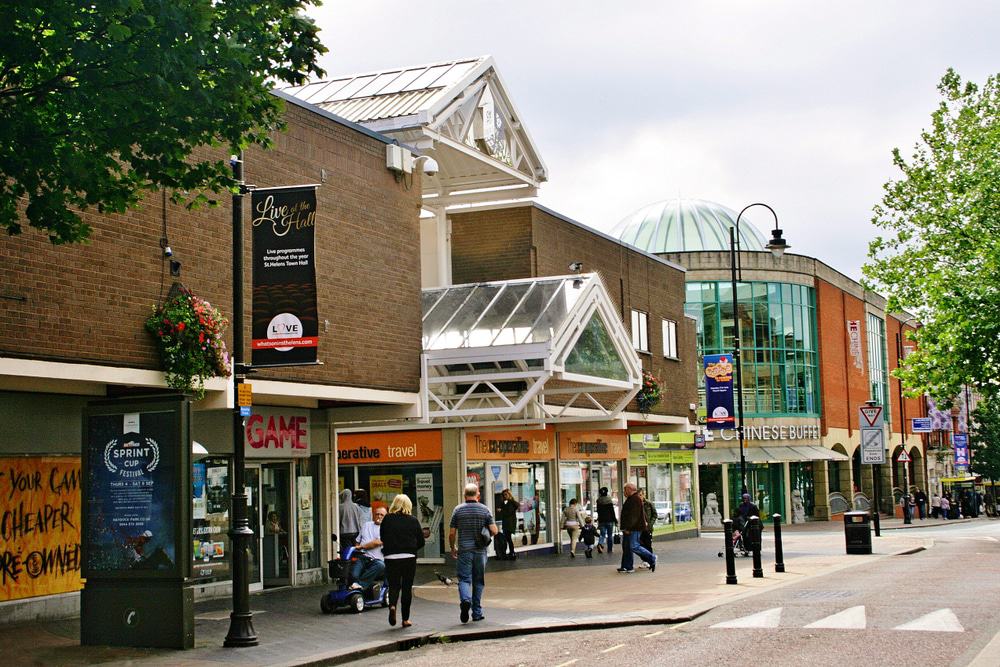
On Merseyside, St Helens is a large town made up of local townships that coalesced during the Industrial Revolution. St Helens’ coal mines closed in the 20th century, and some, like Sutton Manor have become country parks. The town is maybe best known for glassmaking, leading the market for this industry in Victorian times. One …
On the edge of the West Midlands Green Belt, Stourbridge is a market town with long ties to the glassmaking industry. Glass had been manufactured here since the 1600s, but the trade accelerated in the 18th century with the construction of the Stourbridge Canal and the monumental Red House Glass Cone. This giant kiln is …
In the low-lying Fens, Spalding is a market town among reclaimed marshes. A lot of this reclaimed farmland is bright with tulips in spring, and like a true polder is divided by drainage ditches and channels. At the Pinchbeck Engine Museum you can see a mighty beam engine that used to keep this part of …
Leafy Sutton is one of the southernmost boroughs in the capital and can sometimes feel like countryside at ample parks and golf courses. Sutton High Street bucks this trend as one of Greater London’s shopping honeypots, with every big retailer, cuisines from all ends of the earth and a pub where the Rolling Stones got …
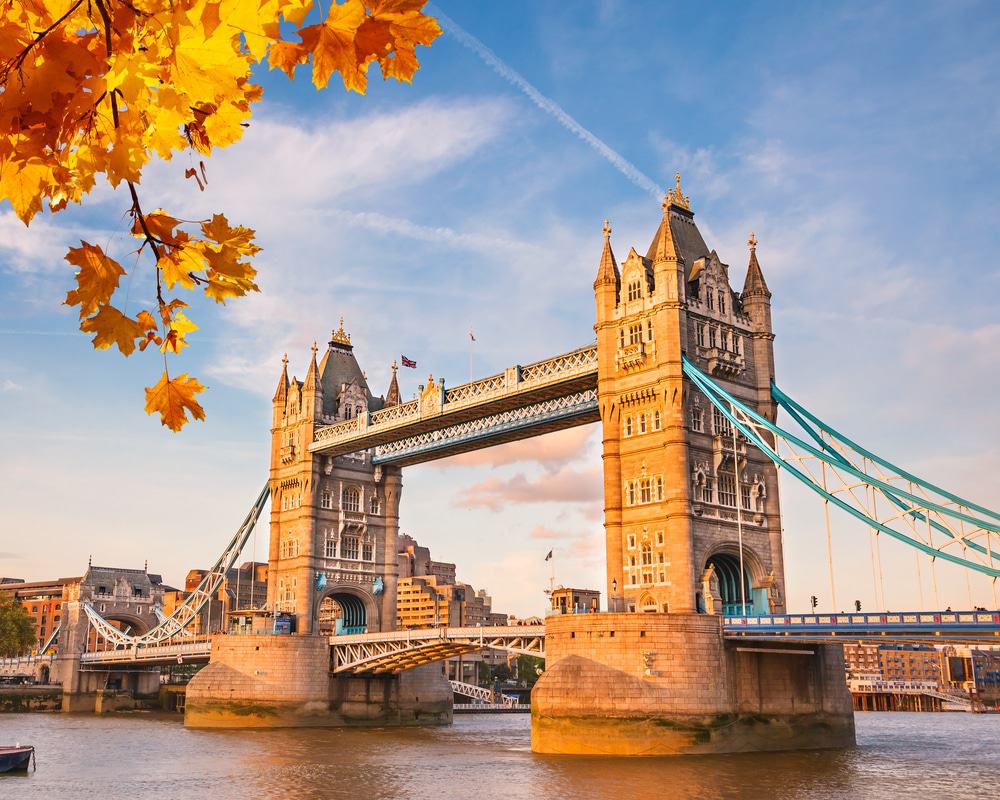
Across the Thames from the City of London, Southwark was the lowest bridging point on the Thames for hundreds of years. London Bridge here was indeed London’s only bridge until Westminster Bridge was built in 1750. Southwark was once a den of free traders, criminals and prostitutes, working outside of the City’s regulation. People would …
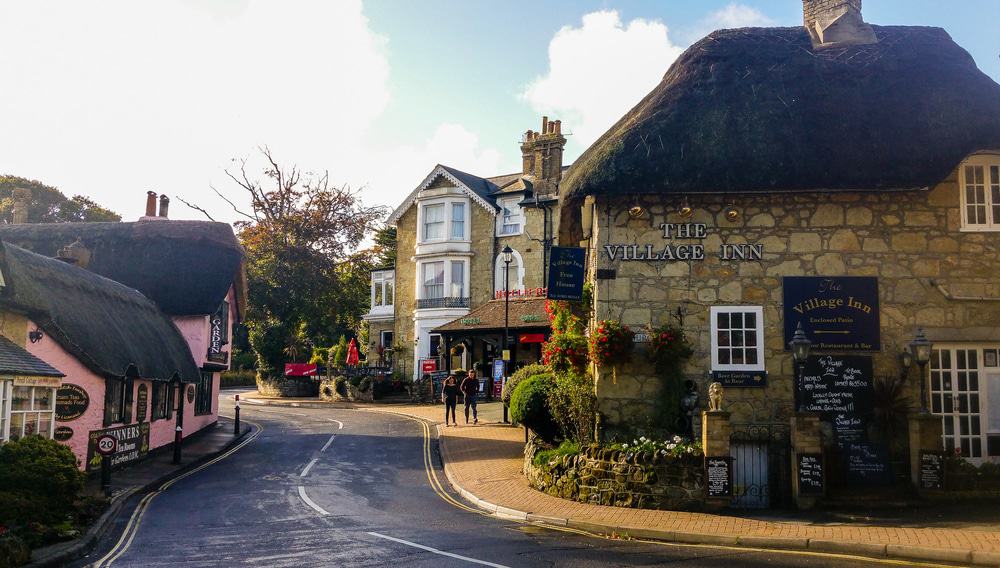
For a bucket and spade holiday on the Isle of Wight, Shanklin is a pretty resort that ticks every box. There’s a long, golden sandy beach skirted by an esplanade atop the seawall with a line of crazy golf courses, arcades, ice cream parlours and fish and chip shops. But Shanklin is more than just …