Jan is the owner and founder of The Crazy Tourist. He's born and raised in The Netherlands and loves exploring the South of France.
He loves going on short City Trips and visiting sunny destinations. His favorite country to visit is France.
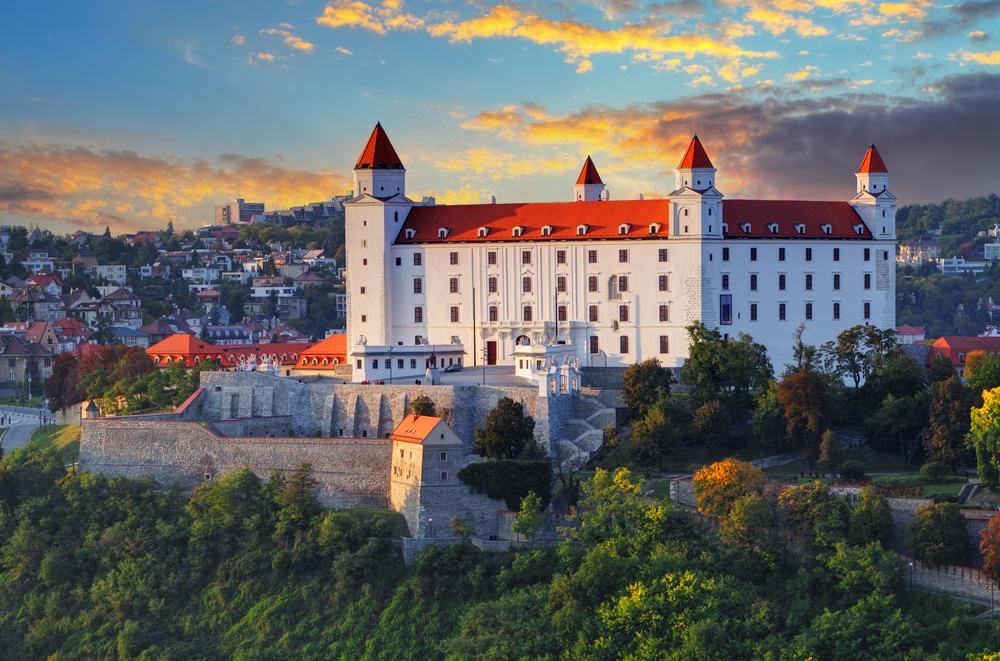
Slovakia’s capital is love at first sight and oozes style, culture and history. Until 1919 Bratislava was known as Pressburg and up to that point it had been part of Hungary in some form for more than 1000 years. From the 16th century the Hungarian crown jewels were kept at the castle, and eleven kings …
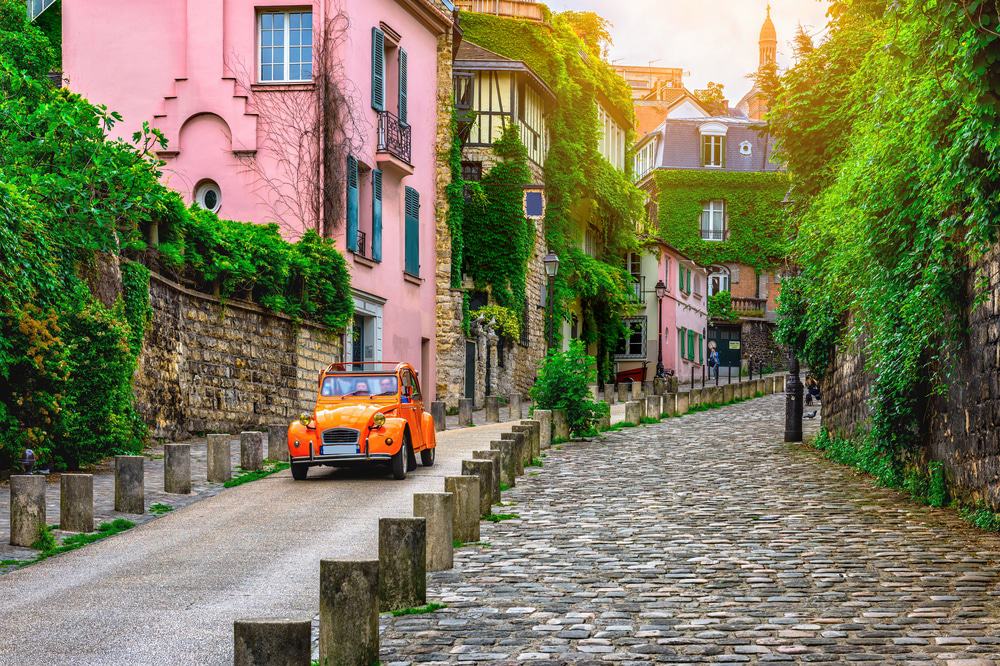
Paris, one of the most-visited cities in Europe, is on every traveler’s wish list. And, how could it not? The city is filled with history, glamour, style, and not to forget, romance – lots and lots of it. Home of the Eiffel Tower and the Louvre, the charm of this characteristic French city shifts from …
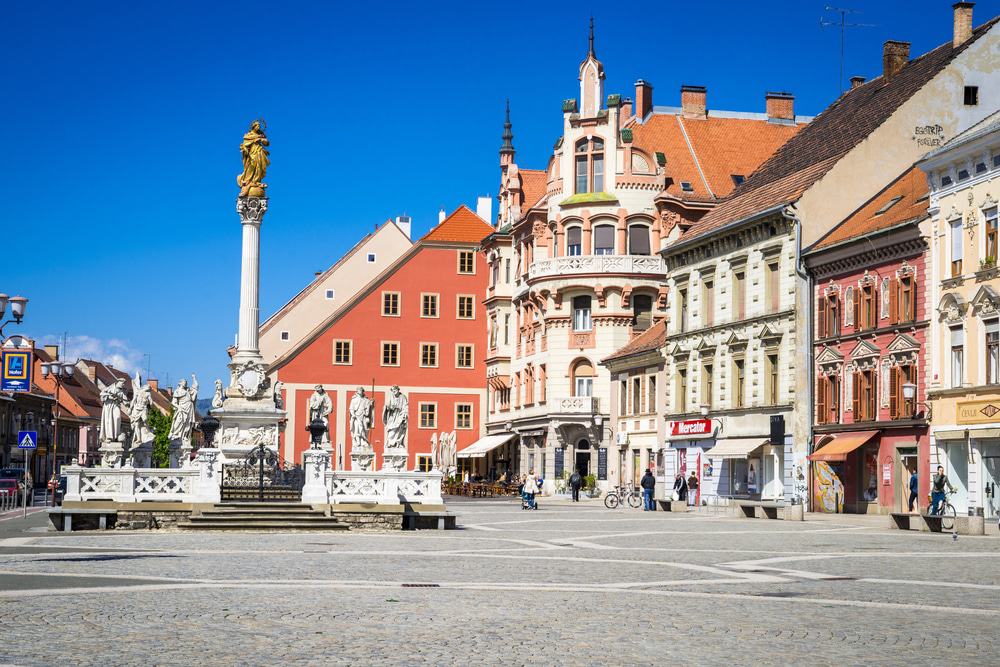
In the Eastern Alps, Maribor is a mountain city with a deep winemaking heritage. For proof look no further than the Old Vine House, which as the name tells you is clad with an old vine. A very old vine in fact, which has been creeping along the facade of this building since the 1500s …
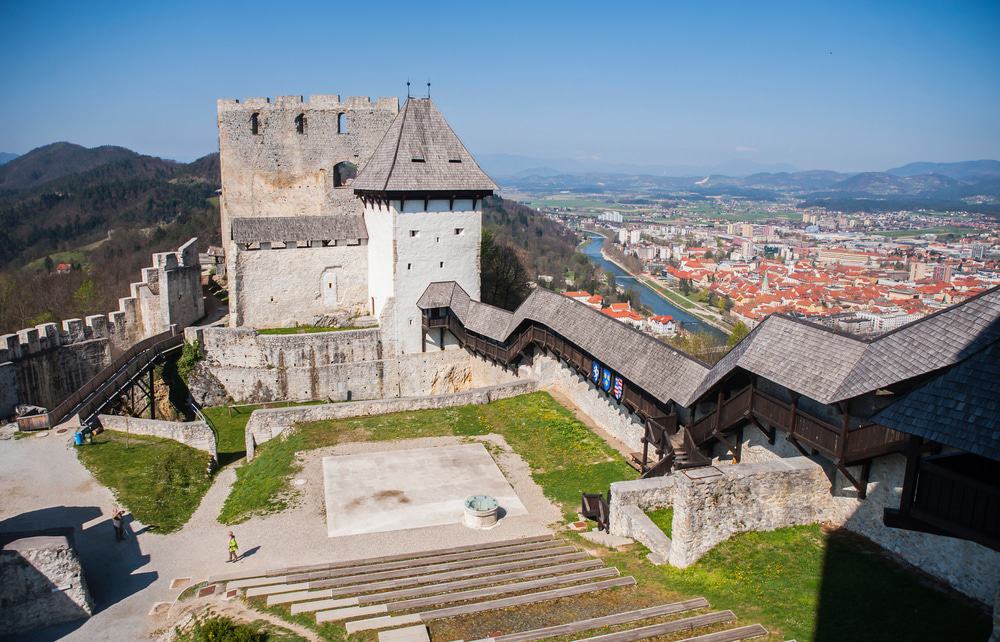
Slovenia’s third city is in the Lower Savinja Valley in the embrace of tall forest-coated hills. Crowning one peak to the south is Celje’s Old Castle, the commanding seat of the Counts of Celje who ruled much of Slovenian territory in medieval times. The sight of the city from these walls is epic, and the …
In mountainous Upper Carniola, the diminutive city of Kranj is at the confluence of the Sava and Kokra rivers. Although Kranj is an industrial city, you’ll be won over by the Old Town, which has an odd layout, clinging to a slender limestone ridge above the two rivers. Some famous Slovenians settled here, like the …
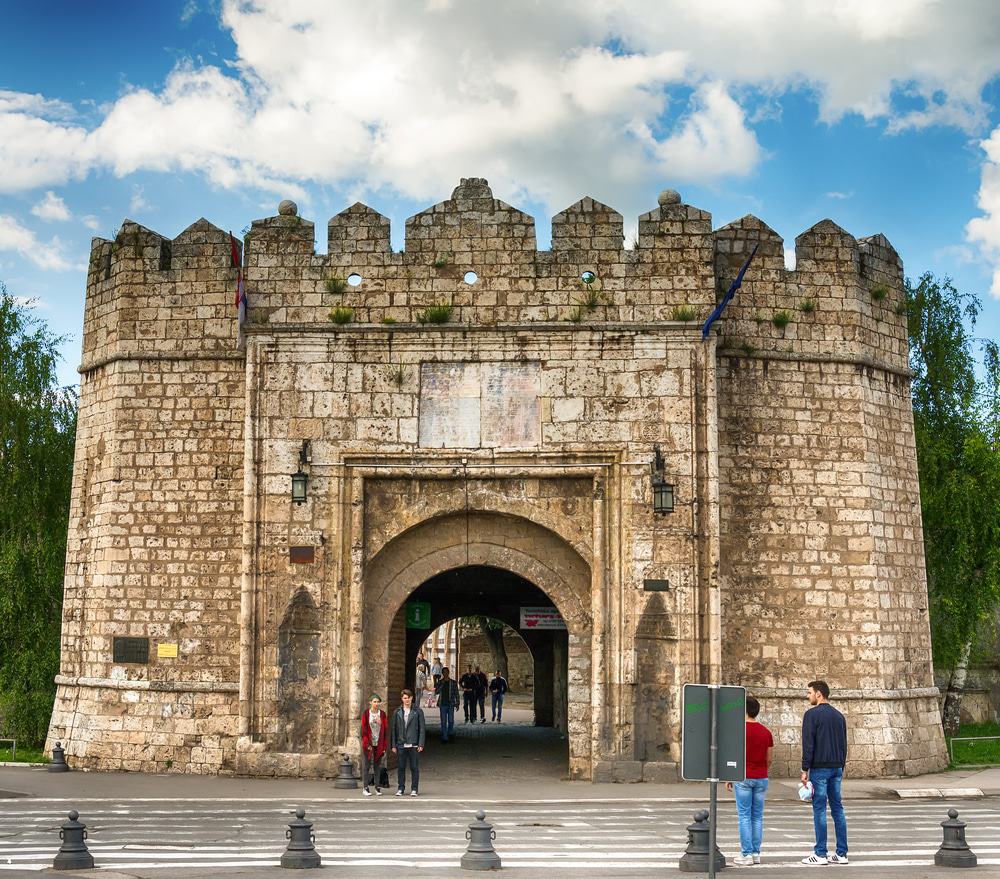
Since the days of the Roman Empire the city of Niš has been at an unofficial boundary between East and West. One man who bestrode that divide was the Roman Emperor Constantine, who was born right here in ancient Naissus and went on to found a “New Rome” at Constantinople. The Ottomans had control of …
When central Serbia broke away from the Ottoman Empire in 1818, Kragujevac was chosen as the reborn nation’s capital. Since then the city in the Šumadija region has been associated with one man, Prince Miloš Obrenović. The head of state lived in Kragujevac and ordered sophisticated buildings in the Central European style. A little later …
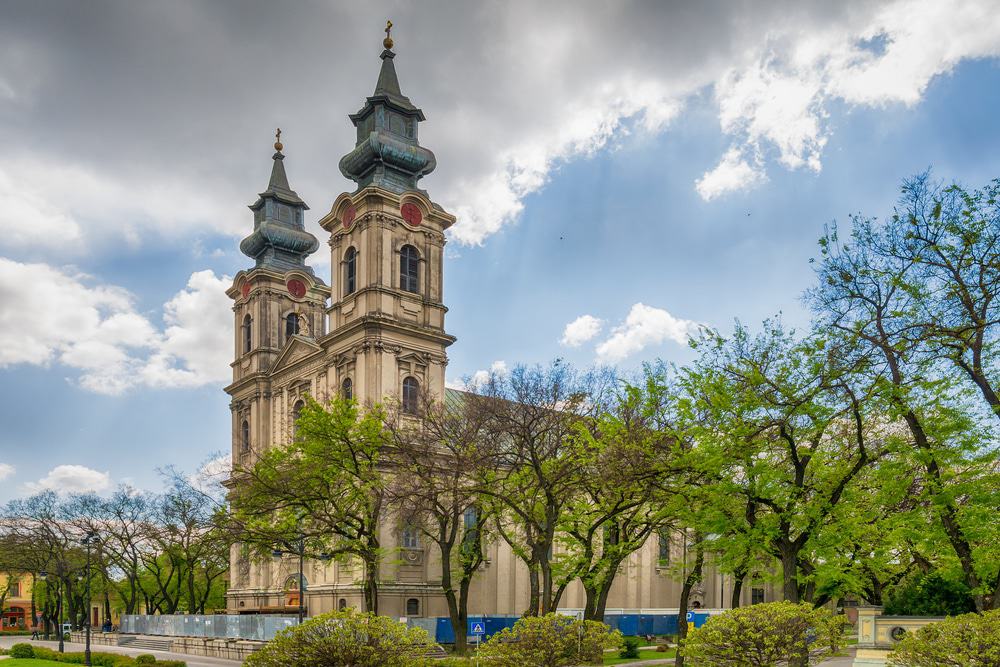
It’s easy to tell when Subotica in the north of Serbia had its golden age. Because this cultured city is bursting with playful Art Nouveau halls and palaces from the beginning of the 20th century. The tour de force is the City Hall and its 45-metre tower, but this is just one of many masterworks …
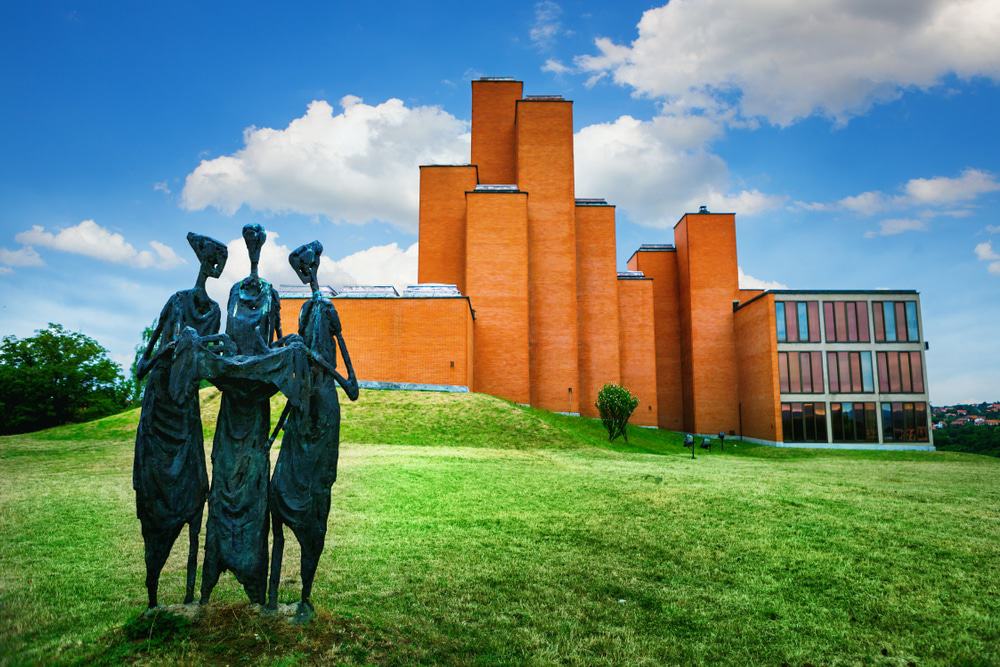
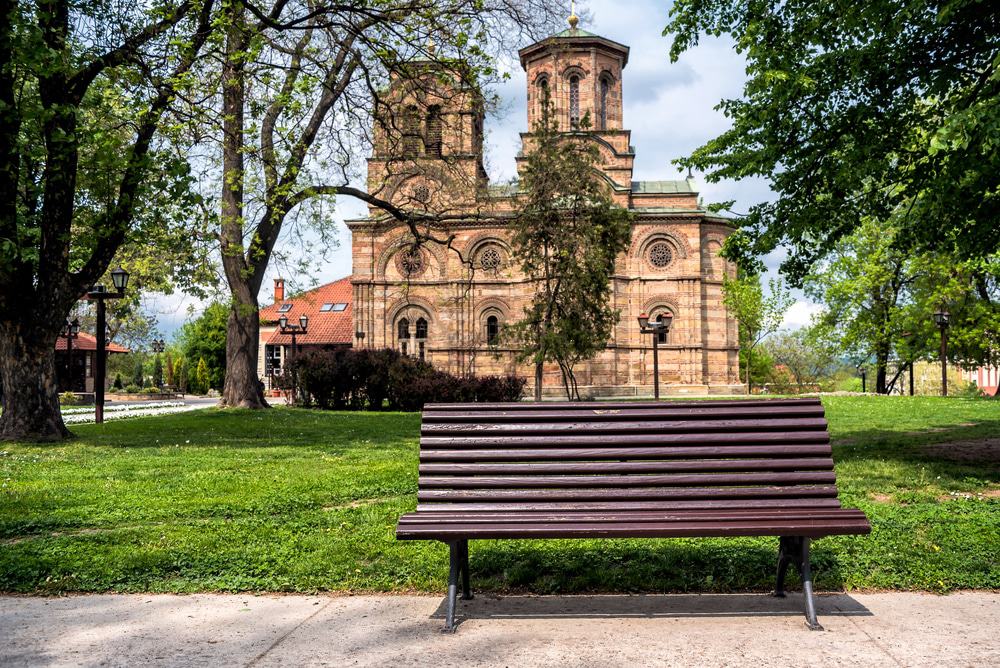
Serbia’s capital city in medieval times is in the Rasina Region at the centre of the country. Scattered around this modern urban centre are lots of clues, both new and historic, that point to Kruševac’s former power. In the middle is the Archaeological Park, which encompasses what used to be Prince Lazar’s city in the …
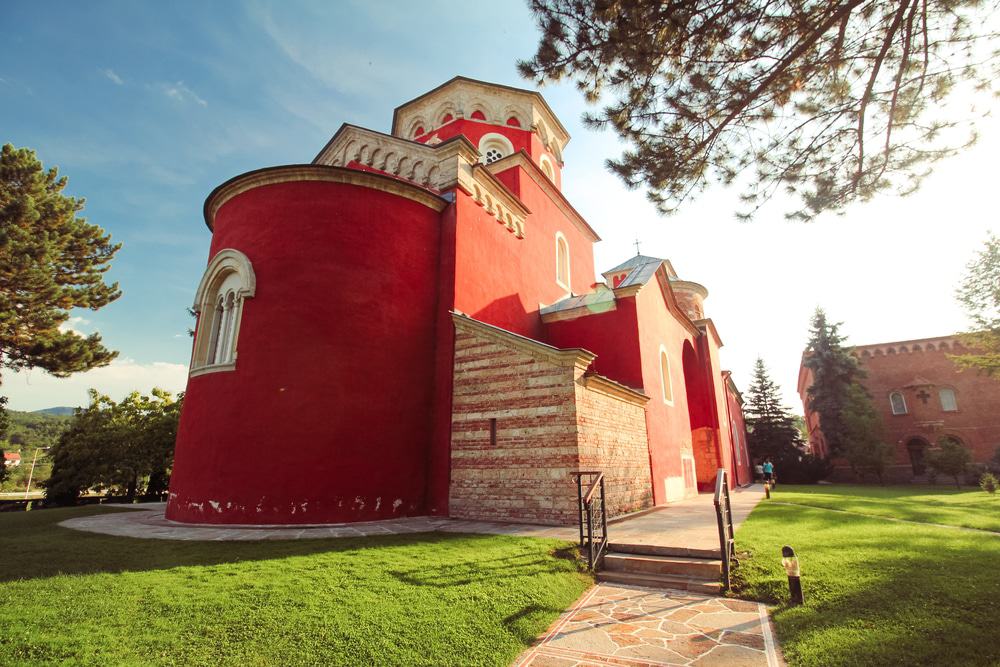
With a name meaning “Royal City” in Serbo-Croatian, Kraljevo is where the nation’s medieval kings were crowned. This ceremony was performed at Žiča, a glorious 13th-century monastery on the edge of the city decorated with original frescos. If you have a penchant for medieval art and history you’re in luck because the fairytale Maglič Castle …