Veronique was born in Belgium and is currently living in the Netherlands. Her love for travel led her to an exciting career in the travel industry. Besides writing she also maintains the Socials for The Crazy Tourist.
The capital of the historic Artois region has a strong Flemish accent, clear in the names, architecture, food and art. The gabled houses on Place des Héros and Grand-Place could easily be in Belgium or the Netherlands, while the fine arts museum has a bounty of Flemish and Dutch baroque painting. The First World War …
The Hague or Den Haag serves as the main seat of government for the Netherlands but is not the countries capital. It is the third largest city in the country behind Amsterdam and Rotterdam and plays an important role in the politics and economy of the Netherlands. The main development of Den Haag was during …
Rouen is a Norman city in a prime location between Paris and the port of Le Havre on the banks of the Seine. In medieval times this made the city a merchant’s paradise, and Rouen grew dramatically in the 14th and 15th centuries when traders settled near the Rive Droite and built themselves handsome timber-framed …
If you’ve ever wondered what a an Alsatian city might have looked like in all its medieval glory, Colmar is your answer. The old town has been left untouched for hundreds of years and looks like a theme park, except the timber houses and palaces are completely real and original. Go on a guided tour …
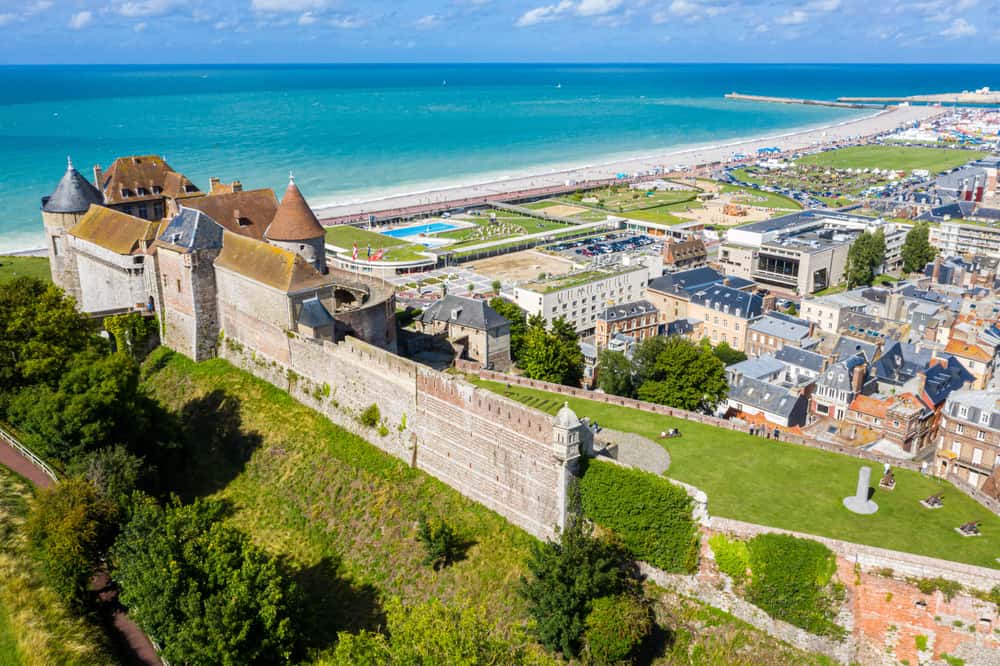
Winning fame as the closest beach to Paris, the seafront at Dieppe has a long line of 19th-century mansions and hotels from when sea resorts first became fashionable. The windswept pebble beach is invigorating in winter and promises classic fun in the sun in summer. But Dieppe is a lot more than a resort, as …
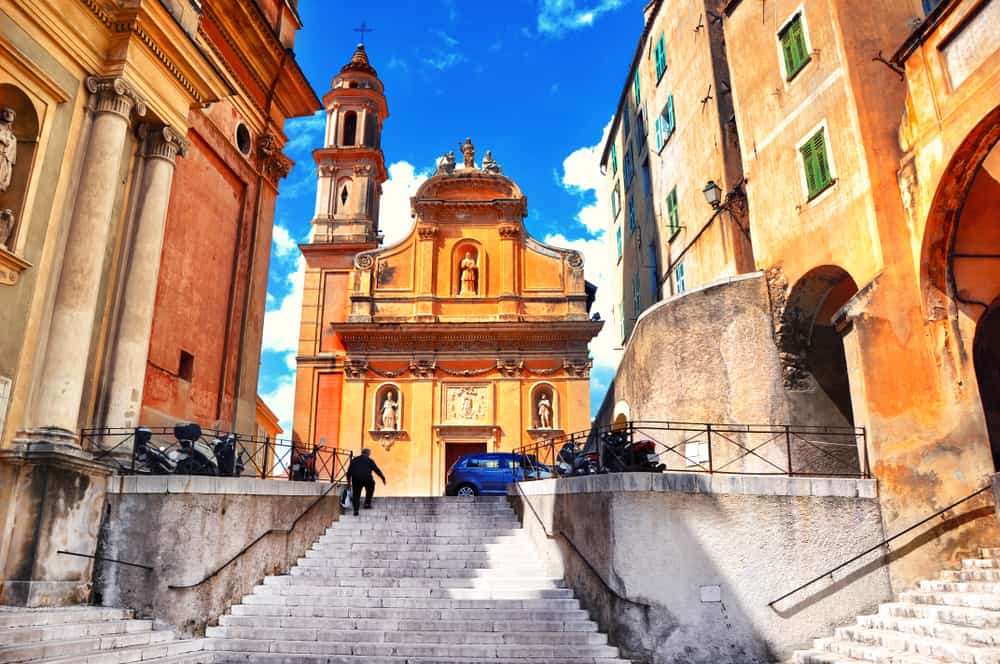
In the Belle Époque, Europe’s aristocracy fell head over heels for Menton, the last French Riviera resort before Italy. Queen Victoria stayed in 1882 and the Imperial Russian expat community was so big they built their own church. There are still lots of hints about this past, from the cemetery with the tombs of gentry …
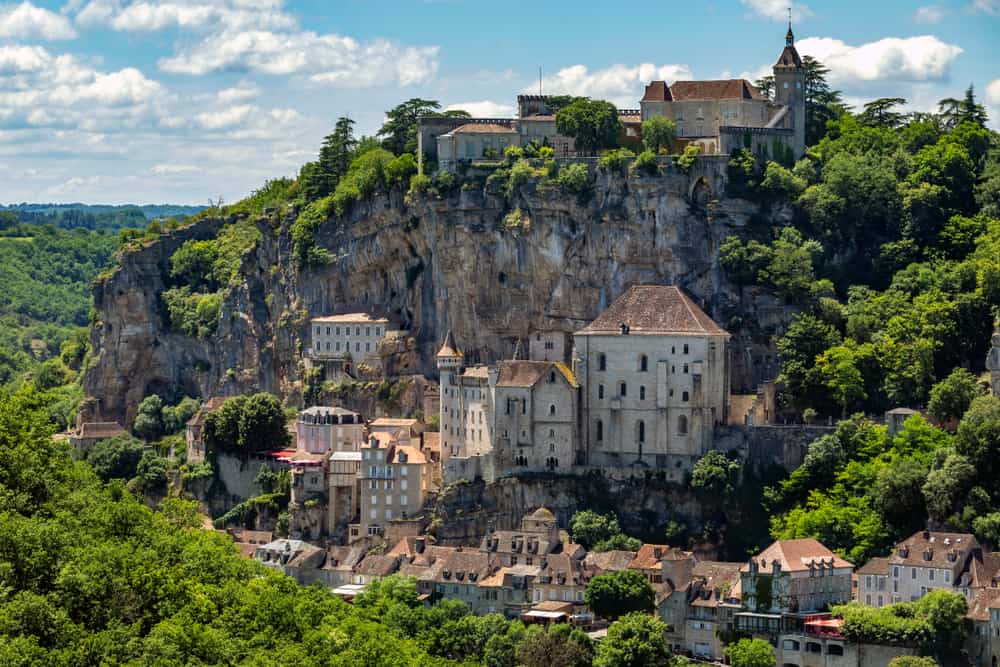
Encompassing a big swathe of south-western France, the Midi-Pyrénées is as varied as it is large. In the north you’re in the craggy limestone foothills of the Massif Central, while to the south the Pyrenees and its foothills provide some of Western Europe’s most invigorating natural landscapes. The revered Way of St. James courses through …
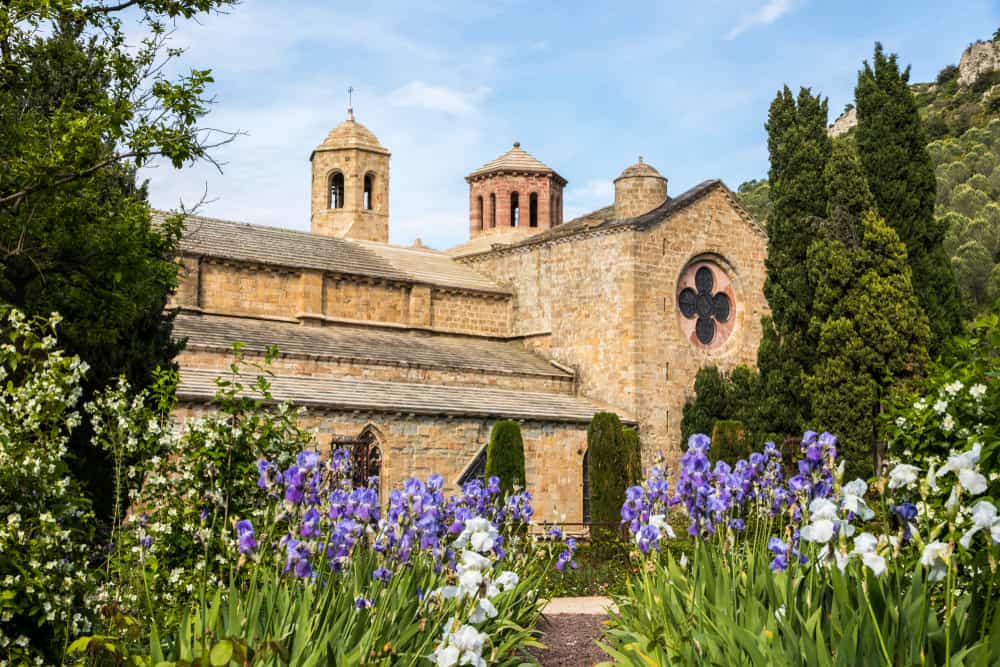
Narbonne as founded as “Narbo”, a Roman settlement on the Via Domitia that grew rich from sea trade via its natural harbour. You can get a feel for the splendour of Norbo’s Roman homes at the Archbishop’s Palace, where wall-paintings retrieved from ancient villas form the largest collection of Roman painting in France. The medieval …
For much of its existence until the 1980s, Alès was a city nourished by the coal industry. Tourism in the city revolves around this heritage, so you can venture into a former mine and marvel at the hoard of minerals and precious stones at the campus of the city’s old mining school. Alès is in …
At the very south of Burgundy is a sweet town by the Saône, where the region’s glazed roofs and timber framed buildings are replaced by the flat-fronted pastel houses of the south. Suddenly you get the sense that you’re approaching the Mediterranean in Mâcon, which despite being small has lots to hold your attention for …