Hi, I'm Alex, a travel writer based in London, I love writing about travel as much as traveling itself. I’m a scrappy researcher, and a hoarder of info, whether it's trivial or mind-blowing. I get a lot of joy doing justice to worthwhile places, and I’m always excited to share the stories behind them.
I have a real affection for Tarragona in Catalonia, from the golden sandy beaches to the mountains. I love Hamburg and its harbour and many waterways, especially in spring. And I'll always be drawn to the rolling countryside in the south of England, especially Wiltshire. I'll go anywhere with a great art museum, and ruins, ancient or medieval.
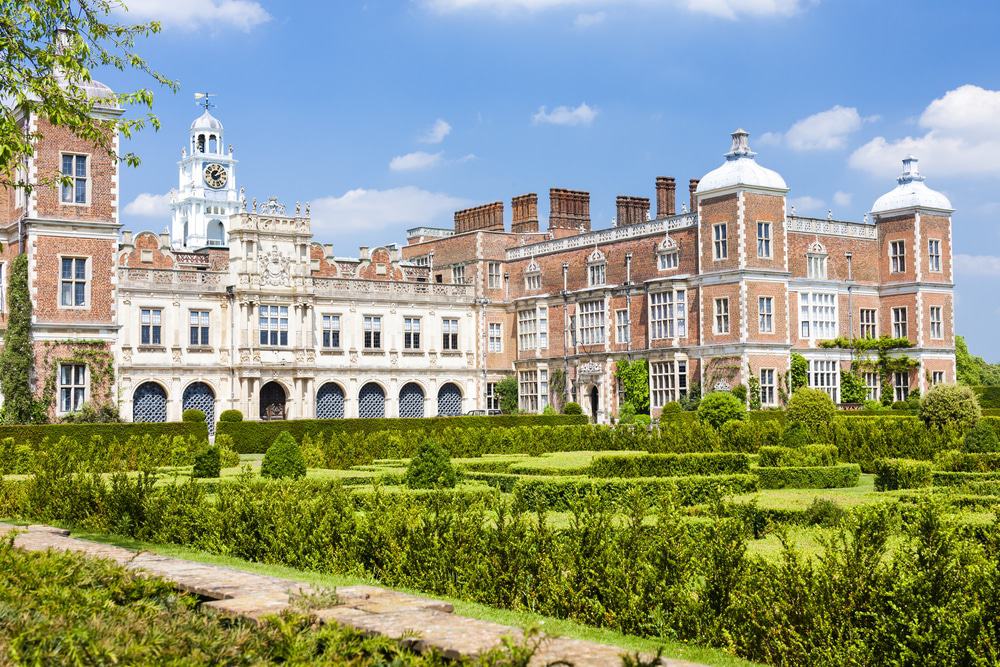
As a New Town, Hatfield was built almost from nothing after the Second World War to make up for a dire shortage of housing. This mid-century modernist streetscape all cropped up next to Hatfield House, a mansion where Elizabeth I spent some of her childhood and was almost imprisoned in the 16th century. Some of …
A New Town in the west of Essex, Harlow was built after the Second World War to meet England’s Post-War housing shortage. The man who led the design was Sir Frederick Gibberd who had a Utopian vision for Harlow as a place of edification, enriched with art. He helped Harlow assemble one the of the …
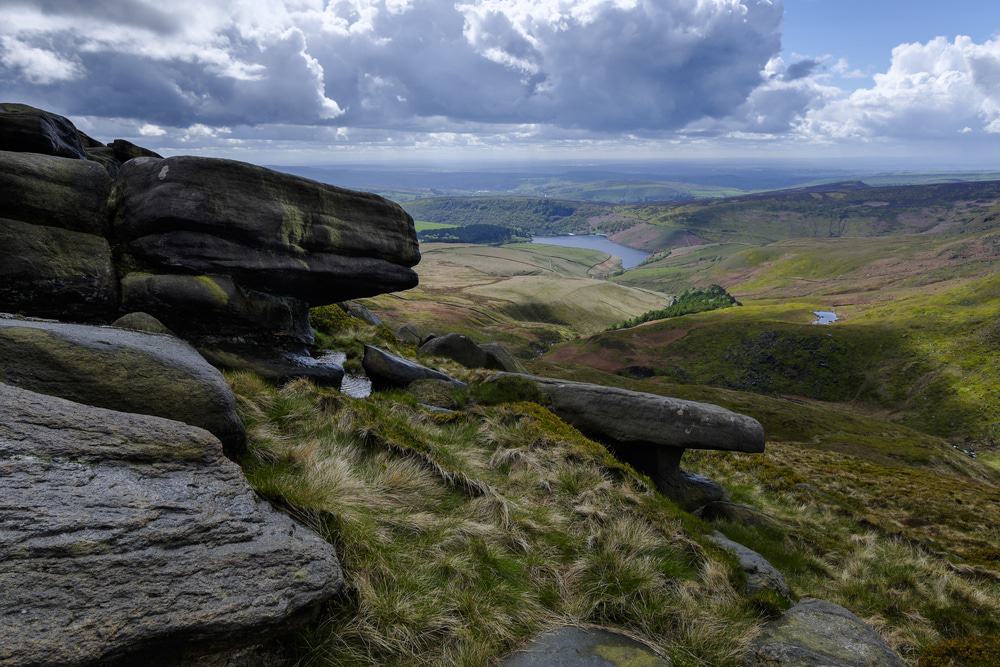
Some of the most daunting and awe-inspiring landscapes in England lie just minutes from this neat town in Derbyshire’s High Peak. Glossop is on the western boundary of the Peak District National Park, at a tangle of walking routes like the Trans Pennine Trail, the Pennine Way and the Longdendale Trail. Adventurers won’t resist the …
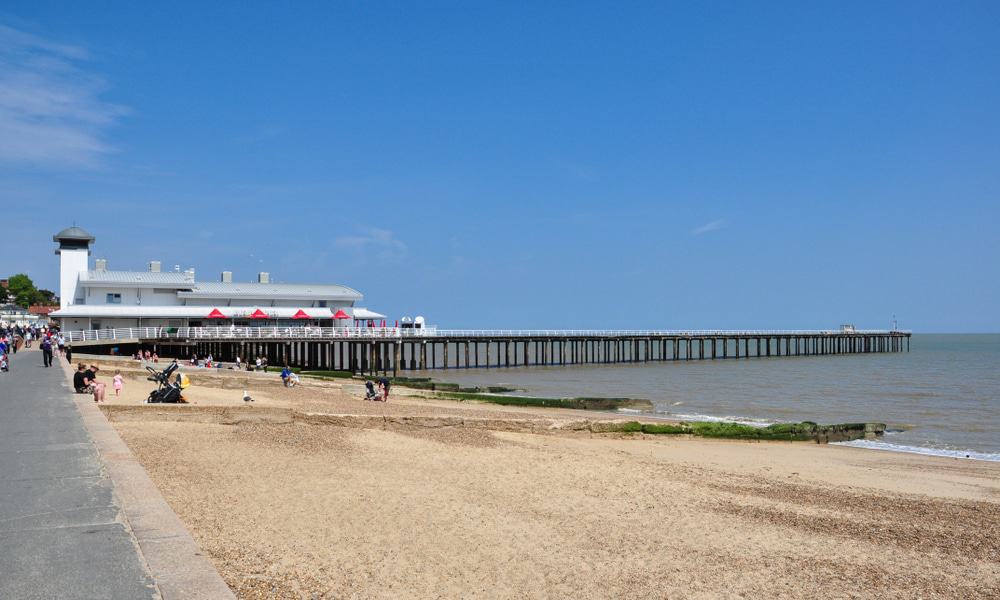
On the North Sea between the Orwell and Deben Estuaries, Felixstowe is a coastal town with both an Edwardian spa resort and a major shipping port. The Port of Felixstowe is the busiest in the UK, with almost half of Britain’s containerised trade passing through every year. This huge enterprise is on the Orwell Estuary, …
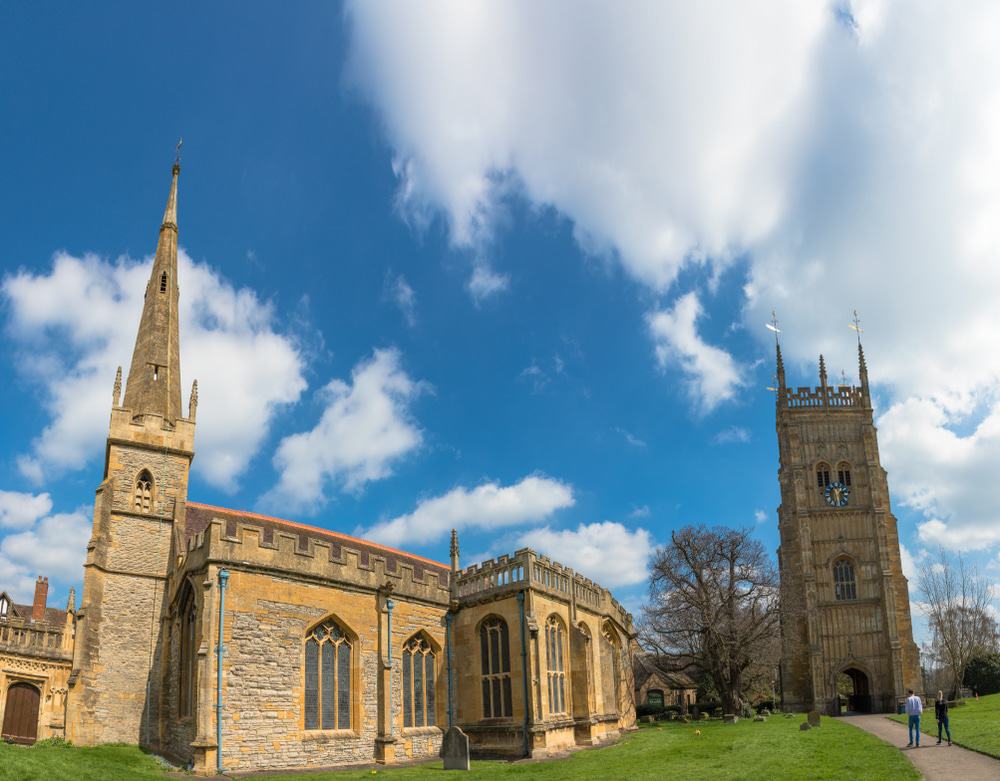
This compact market town on the northern cusp of the Cotswolds was once controlled by the third largest abbey in England. Almost 500 years after Evesham Abbey was suppressed, its legacy survives at an Almonry (now a museum), two local churches, a tithe barn and in the remnants of the abbey church tower. Evesham rests …
Ringed by the first spurs of the Chiltern Hills, Dunstable is a market town in the far south of Bedfordshire. The post-war town centre is a regional shopping destination, but there’s real history awaiting you at Dunstable Priory, which has lots of Norman stonework, and at the Priory House Heritage Centre, which includes the vaults …
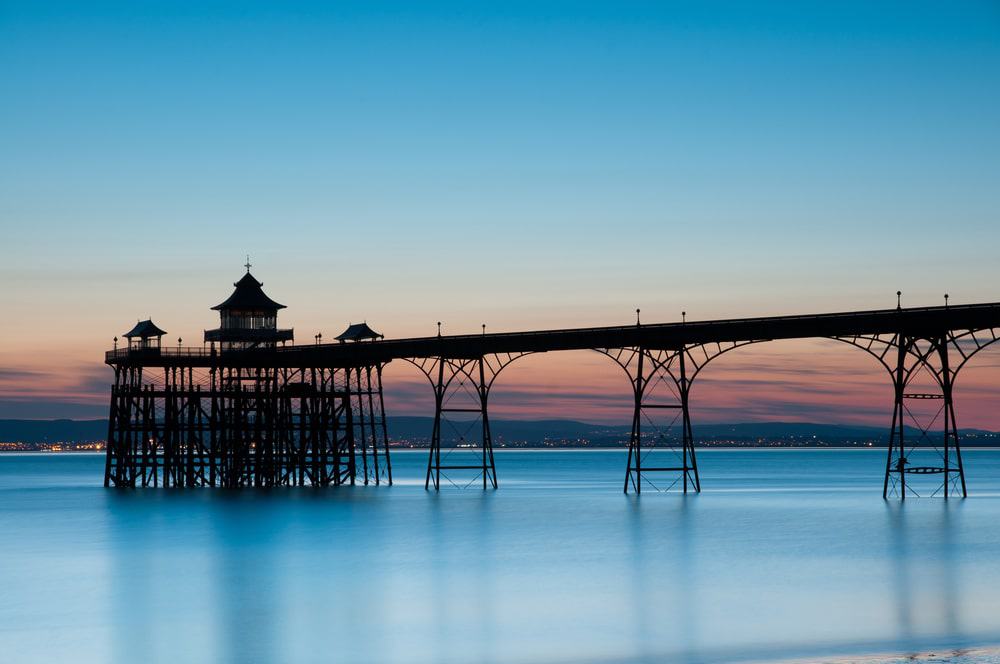
A polished Victorian seaside resort, Clevedon is draped over seven limestone hills next to the Bristol Channel. The coast is rocky, with low cliffs and pebble beaches next to public walking trails like Poets’ Walk, which guides you to the church where the poet Arthur Hallam is buried. In the late-1920s the town built a …
The Staffordshire town of Cannock is on the southern boundary of the Cannock Chase, an Area of Outstanding Natural Beauty with similar protections to a National Park. So a lot of the interest for visitors lies in the countryside, where you’ll come by visitor centres, birch woodland, pine plantations, large tracts of heathland and a …
This large town outside Birmingham was one of the birthplaces of the Industrial Revolution and is often called the “capital of the Black Country”. The Black Country got its name from soot caused by iron foundries, coking plants and glass factories. For context, the Titanic’s millions of nails and gigantic anchor were manufactured in this …
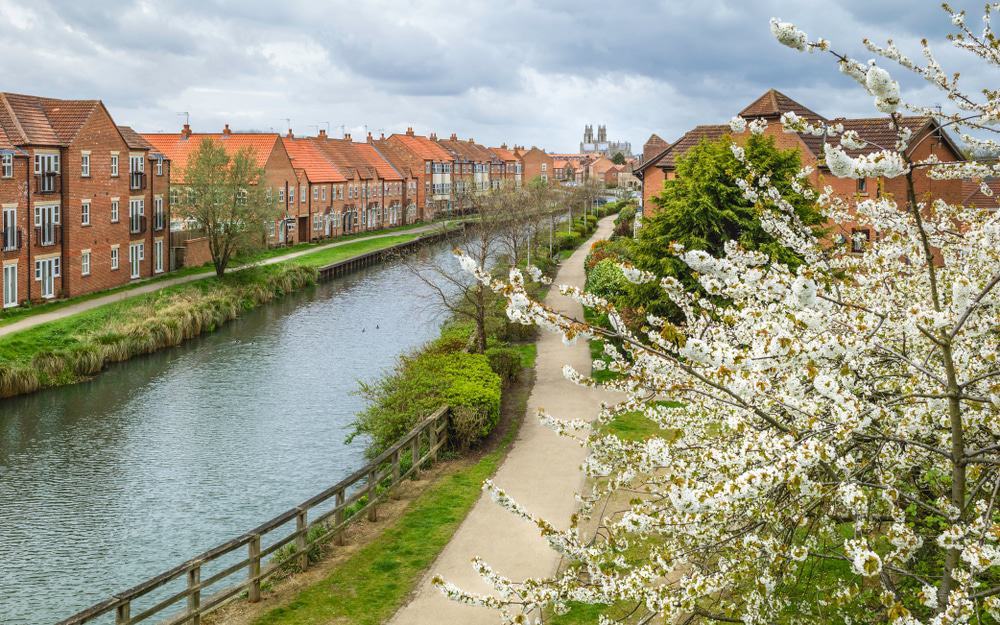
In the Middle Ages Beverley in the East Riding of Yorkshire was one of England’s ten largest towns, swelled by a burgeoning wool trade. Beverley Minster attests to the wealth of that time, and at 102 metres is longer than many English cathedrals. The shops and townhouses in the upmarket centre of Beverley are mostly …