Hi, I'm Alex, a travel writer based in London, I love writing about travel as much as traveling itself. I’m a scrappy researcher, and a hoarder of info, whether it's trivial or mind-blowing. I get a lot of joy doing justice to worthwhile places, and I’m always excited to share the stories behind them.
I have a real affection for Tarragona in Catalonia, from the golden sandy beaches to the mountains. I love Hamburg and its harbour and many waterways, especially in spring. And I'll always be drawn to the rolling countryside in the south of England, especially Wiltshire. I'll go anywhere with a great art museum, and ruins, ancient or medieval.
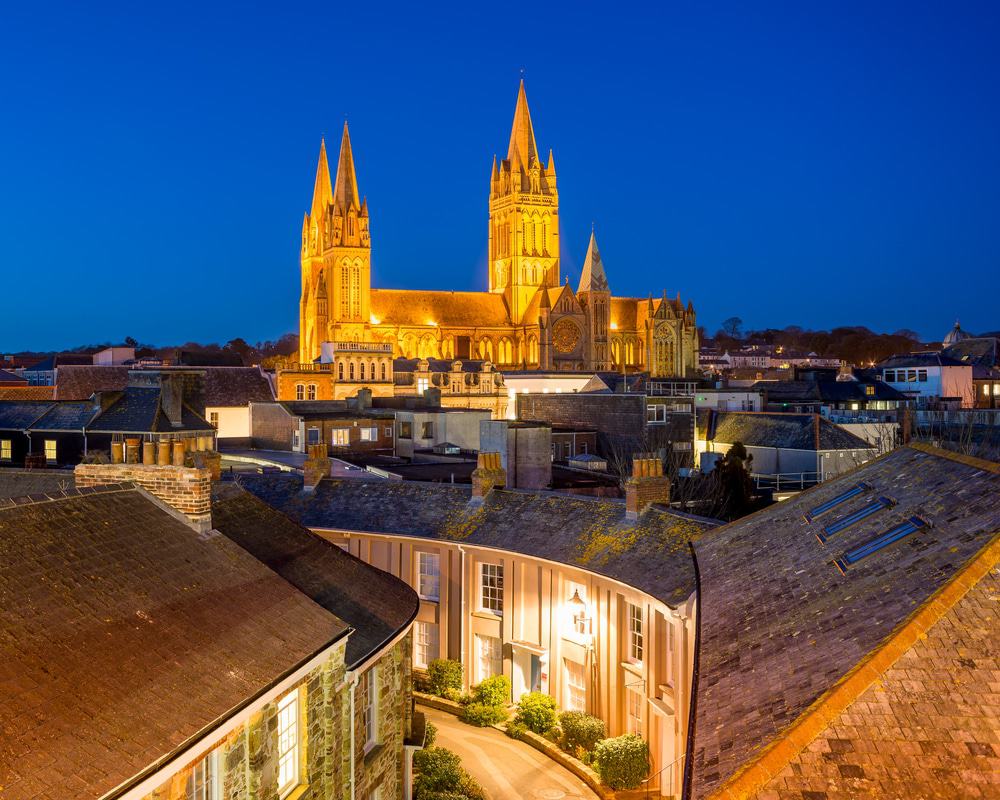
The southernmost city on the British mainland, Truro is in the shadow of a Gothic Revival cathedral started not long after the Truro diocese was founded in 1876. Long a port town, Truro took on new importance at the high watermark of Cornwall’s tin mining industry in the 1800s. Solemn granite monuments built during this …
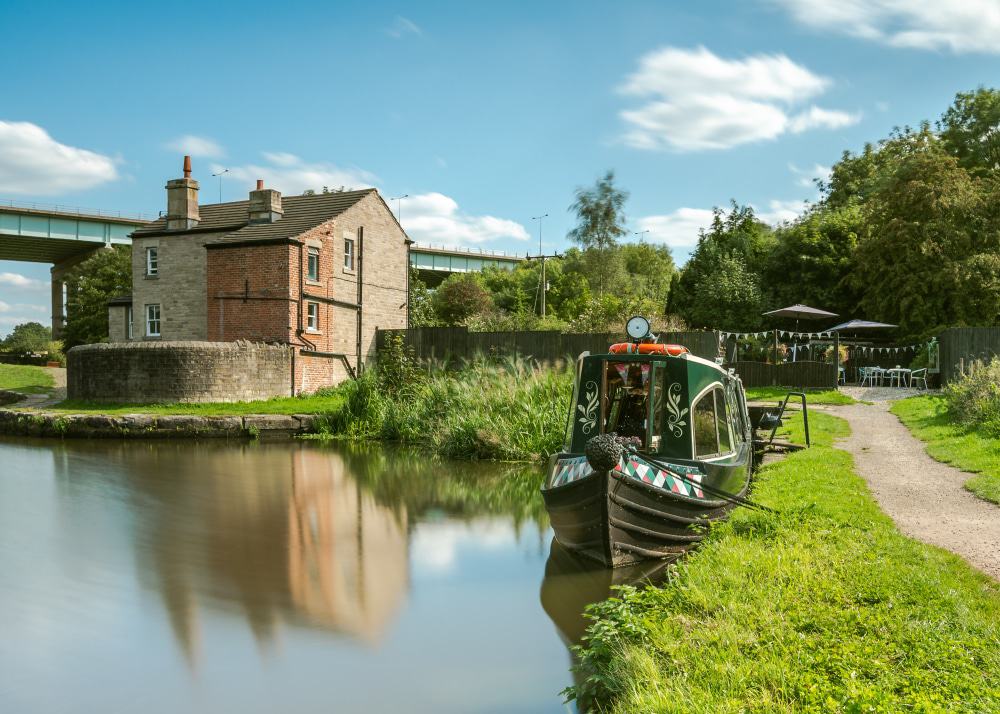
As a town on top of the Lancashire Coalfield, Wigan was swept up in the Industrial Revolution and became a coalmining and cotton-spinning centre. The collieries and mills were served by the Leeds and Liverpool Canal, a dumbfounding piece of Georgian engineering connecting major manufacturing hubs across the North West. Relics of Wigan’s industrial period …
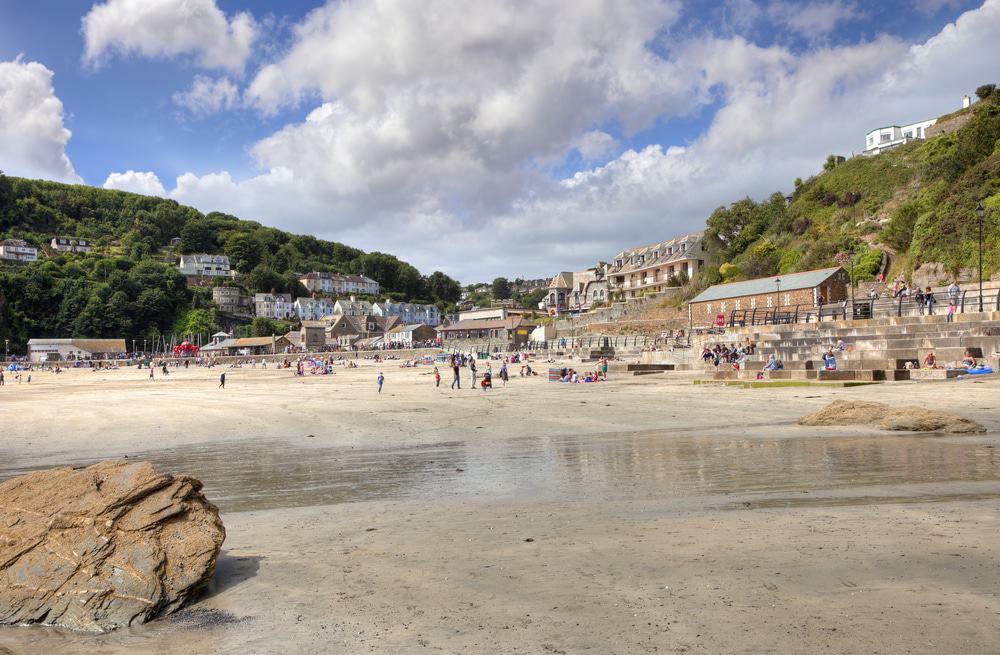
In southeast Cornwall, Looe is both a favourite family escape and a real working fishing port. The town is in hilly landscape at the mouth of the Looe River, and sheltered along the river is the harbour where fishing boats bob on the water and you can test your crab-catching skills on the quayside. Looe …
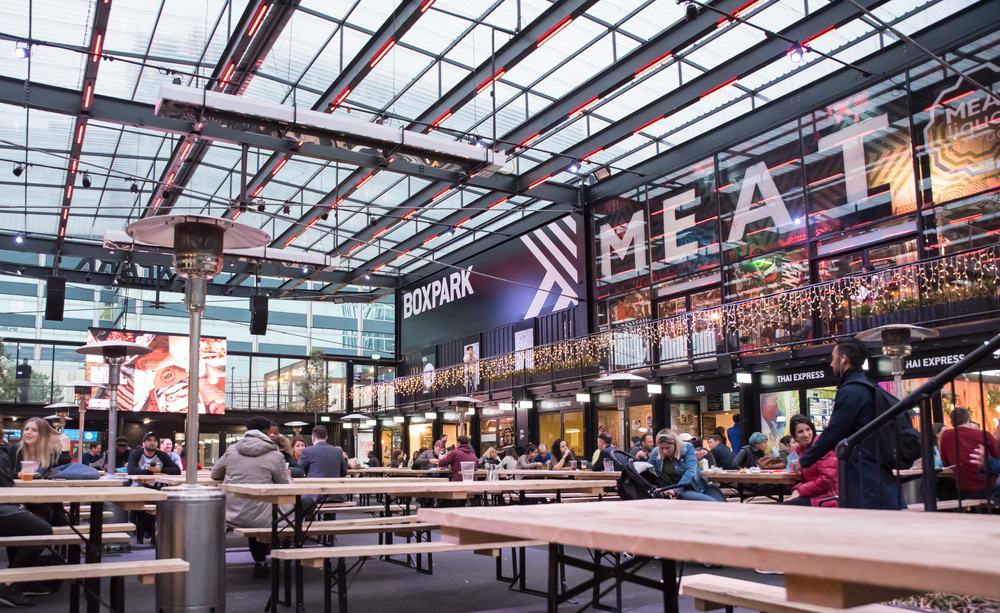
For much of its history Croydon, ten miles south of Central London, was in the estates of the Archbishops of Canterbury, the principal leaders of the church of England. Croydon Palace and the Whitgift Almshouse are historic reminders from their time here. Recently the town has made its mark on UK popular culture thanks to …
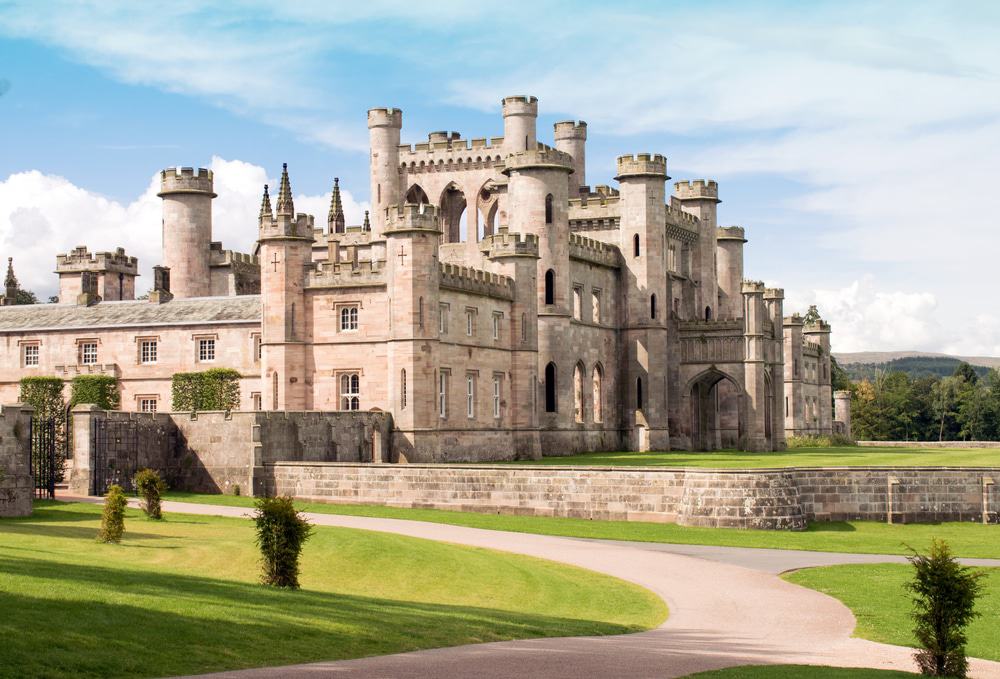
In Cumbria’s Eden Valley, Penrith is a little way from the northeastern edge of the Lake District. The location gives you the raw upland beauty of the National Park, but also the noble estates and castles in the lower-lying rural landscape to the west. Ullswater, arguably the prettiest natural sight in England, is minutes away …
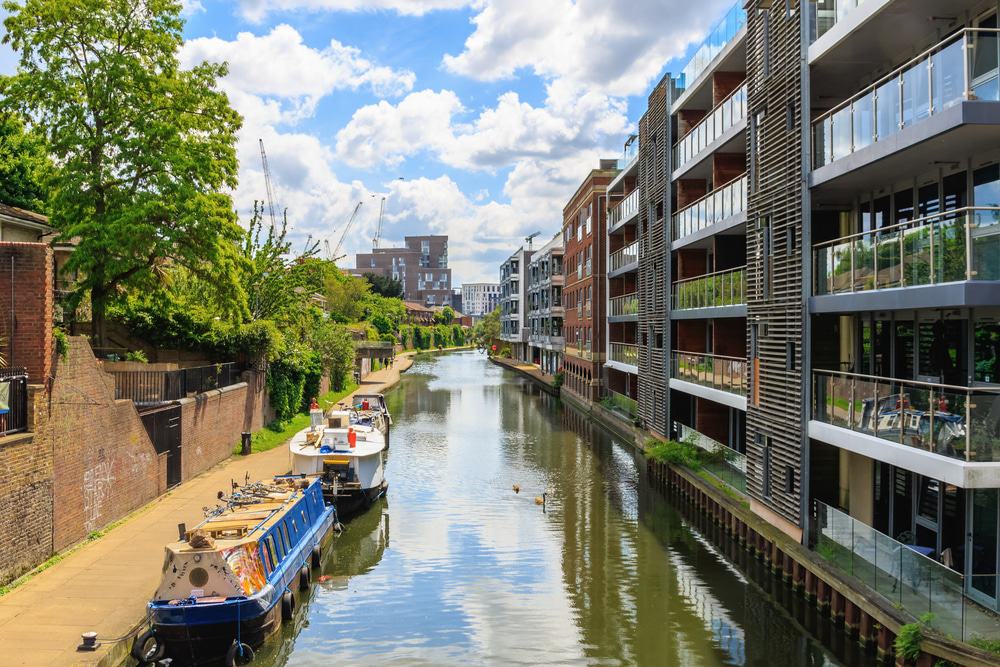
The London Borough of Camden is home to Camden Town, the shopping and entertainment district adored for its grimy, alternative edge. It’s hard to believe now, but much of Camden Town was a post-industrial wasteland in the 1970s. The counterculture moved in, turning old timber yards and stables into world-famous markets, and established a live …
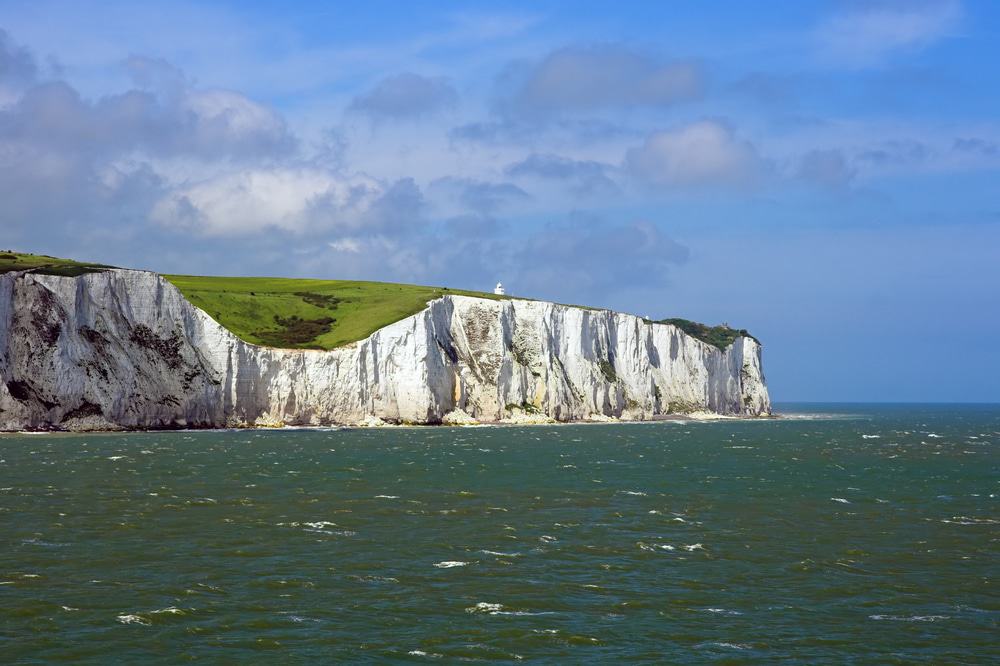
Near the narrowest point in the Channel, the port town of Dover rests in a cleave in the world-famous white cliffs on England’s doorstep. Perched on those cliffs is the largest castle in the country, while the soft chalk is burrowed with military tunnels going back to the Napoleonic Wars. Like many port towns Dover …
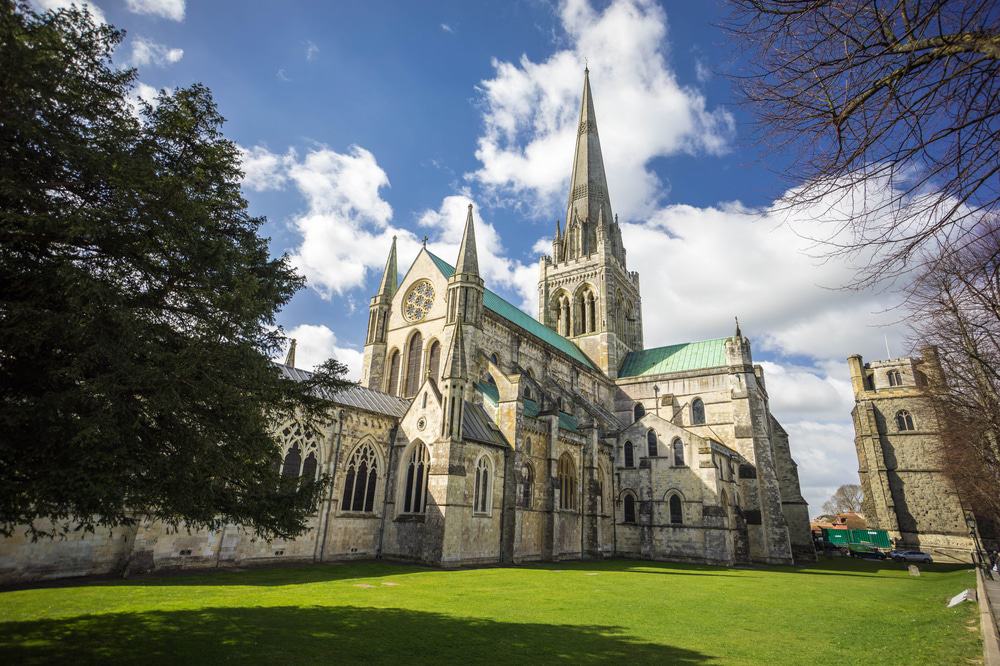
A compact and lovable city near the coast in West Sussex, Chichester has a story that begins in Roman times. What’s amazing is that the city centre retains the cross streets laid out by the Romans, and is defended by the original Roman walls. Chichester has always been pocket-sized and was never industrialised, so for …
Spread across a valley at the source of the River Loddon, Basingstoke became Hampshire’s largest settlement when it ballooned in the 1960s and 70s. The town is much older than that though, and was granted by royal charter in 1622. The monarchs Henry VIII and Elizabeth I spent time at the nearby Tudor palaces, Basing …
A Victorian family resort, Bridlington took off as an escape for industrial workers in the West Riding of Yorkshire in the 19th century. The old-fashioned delights of an English coastal town are all here, like promenades, a ballroom, theatre, ice cream parlours, tearooms and shops selling rock candy and buckets and spades. Dating back further …